

























































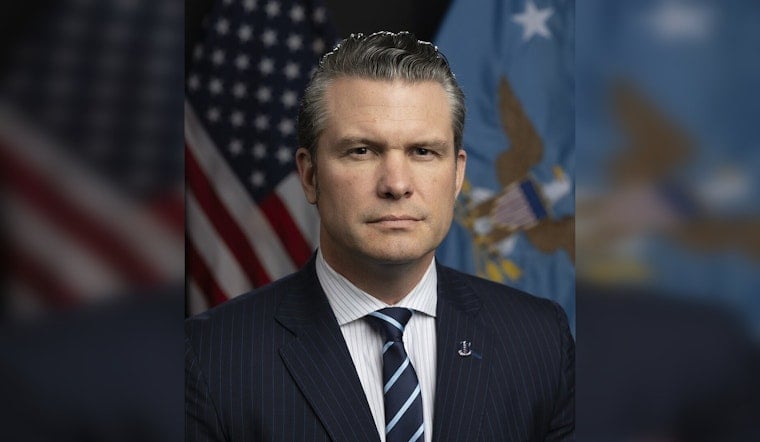
Defense Secretary Pete Hegseth is adding hormone levels to the military readiness checklist. On Wednesday he announced that the Pentagon will roll annual testosterone screening into warfighters’ routine health checks, with testing required for troops age 30 and older and offered on a voluntary basis to younger service members. The stated goal is to spot low testosterone that could drag down performance and resilience. Hegseth also stressed that any follow-on care, including testosterone replacement therapy, will remain voluntary for the individual service member.
What the Pentagon Just Ordered
Hegseth said the new testing will be folded into the War Department’s periodic health assessment for warfighters as part of a broader push to “optimize” the force. As reported by KFOR, the screening program is designed to flag clinically low testosterone levels and steer service members who screen low toward further evaluation and care if needed.
Who Gets Tested and What Happens Next
In his video announcement, Hegseth framed the policy as a readiness tool: all troops 30 and older will be brought into the annual checks, while those under 30 can choose to opt in. What happens after the blood draw is up to the patient. Any treatment recommended by medical staff, including testosterone replacement therapy, would be elective, not ordered. The move lines up with other fitness directives Hegseth has pushed across the services, including tougher semiannual physical tests and stricter body‑composition checks, a shift outlined by ABC News.
Medical Context and the FDA’s Role
Clinicians have long noted that symptomatic androgen deficiency is not especially rare. Population surveys estimate that about 5.6% of men ages 30 to 79 meet criteria for symptomatic low testosterone, according to published research. In April, the Food and Drug Administration signaled a path for expanded labeling of testosterone replacement therapy for certain men with idiopathic low libido, a regulatory shift that could influence how military medical teams approach service members who screen low. The agency invited manufacturers to discuss supplemental applications and underscored that any approval would hinge on product‑specific safety and efficacy data, per an FDA statement.
Risks, Oversight and Early Reactions
Military health officials caution that testosterone therapy is not a quick fix. It carries risks, including elevated red blood cell counts and potential cardiovascular concerns, and it demands careful diagnosis plus ongoing monitoring. An overview from Health.mil emphasizes selective casefinding and close follow‑up for those who are treated. Analysts say the new screening push is likely to invite scrutiny in Congress and among veterans’ advocates, fitting into the pattern of heightened oversight of Hegseth‑era personnel and health policies that Defense One has tracked in recent months.
Legal, Privacy and Culture‑War Landmines
Beyond the medical debates, legal and privacy questions are already bubbling up. Mandatory health screening in a uniformed force raises familiar concerns about consent and how sensitive medical data might be handled in a system where commanders also control careers. Critics point to earlier department moves that restricted gender‑affirming care as a sign that the testosterone policy could eventually be dragged into court or pulled into partisan fights, a tension noted in reporting by PBS NewsHour.
For now, Pentagon officials say the tests will simply be added to routine assessments and that any treatment decision will rest with the service member. The fine print is still coming: who will administer the tests, how often they will occur in practice, and exactly how results will be stored and shared have not yet been detailed. Expect those operational questions, and the civil‑liberties concerns wrapped around them, to dominate the debate as the department rolls out formal guidance in the weeks ahead.





