

























































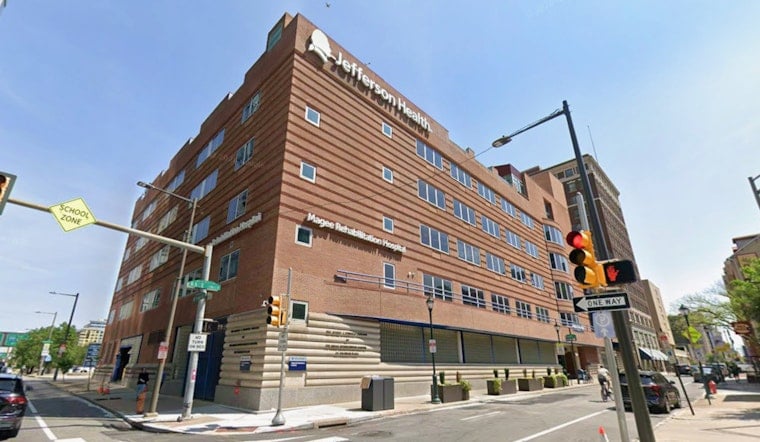
At Jefferson Moss‑Magee Rehabilitation in Philadelphia, an experimental implant is giving a man who has been paralyzed for a decade the ability to feed himself, write, and close his hand for the first time since his injury. The system pairs tiny, surgically implanted electrodes and a small power unit with a phone‑based controller that stimulates paralyzed muscles to produce a functional grip. Clinicians describe the gains as modest yet life changing, not a cure, but a real return of independence for everyday tasks.
The patient, Josh Jones, 45, was paralyzed in a diving accident about 10 years ago and is now using the trial system to feed himself and sign his name, as reported by CBS Philadelphia. Jones’ phone is linked to a "neuro network" of implanted electrodes and a power unit that deliver pulses to paralyzed muscles, and therapists say one electrode attached to neck muscles is activated by a grimace to tighten or loosen his grip. Jones told the station the change feels like a genuine gain in independence after years of relying on others for basic tasks.
How the device works
Neurotechnology for restoring hand function generally follows two paths: decoding brain signals to control external devices, or using electrical stimulation to activate a person’s own muscles. A proof‑of‑concept study published in The Lancet in 2017 showed that intracortical recordings could drive functional electrical stimulation to restore reach and grasp in a person with tetraplegia, allowing the participant to feed himself, per Ajiboye et al., The Lancet. That work demonstrated that the basic idea is viable in the lab. Jefferson’s approach, as described by local therapists, uses implanted muscle electrodes and physiological triggers to create simpler, repeatable hand actions that can be used in everyday life.
Where the research is headed
Researchers say the Jefferson case fits into a broader push to translate lab successes into tools that genuinely help people at home and in the community. Mass General Brigham’s recent work on implantable BCIs has shown how decoded movement intent can power rapid communication and, researchers argue, points the way toward translating similar decoding for arm and hand control. The system is still considered investigational by its developers, and teams across the U.S. caution that all of these technologies will need larger trials and regulatory review before they become widely available.
What patients and therapists are saying
Jefferson therapists emphasize that the gains are functional rather than restorative. “We’re not getting people back to where they were before injury, but we’re giving them functions that really impact the quality of their life,” occupational therapist MJ Mulcahey told CBS Philadelphia. Jones echoed that view, saying that being able to grip a fork or write his name after years of dependence has made daily life noticeably easier. Clinicians also caution that implanted systems involve surgery and carry risks, and they are not appropriate for every patient.
Next steps
Jefferson says the device is being evaluated in a clinical trial and that wider adoption will depend on consistent trial outcomes, safety data, and regulatory approvals. Proof‑of‑concept reports like the 2017 Lancet demonstration are encouraging, but researchers warn that turning those early wins into durable, affordable implants at scale will take more time and study. For now, the Philadelphia case stands as a close‑to‑home example of how neurotechnology can restore small but meaningful hand functions for people living with paralysis.





