

























































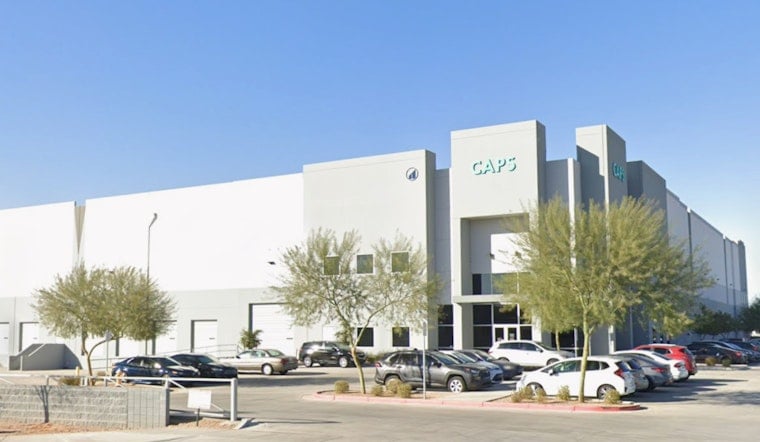
A major supplier of sterile hospital drugs is packing up operations in southwest Phoenix, and it is taking 116 paychecks with it. Central Admixture Pharmacy Services Inc. is shutting down its 503B sterile compounding facility at 2200 S. 43rd Ave., with job cuts set to begin in August. The Phoenix site has been supplying hospitals and outpatient providers with batch-compounded sterile products, so the shutdown pulls a regional outsourcing option off the table and marks a rare pullback for a company that runs multiple compounding locations across the country.
According to the Phoenix Business Journal, Central Admixture is exiting its 503B sterile compounding business and will start layoffs in August. The outlet reports that the closure of the Phoenix plant will result in 116 job cuts.
Central Admixture, known as CAPS, is part of the B. Braun group and operates a nationwide network of 503A and 503B pharmacies, according to Central Admixture Pharmacy Services. The company lists the Phoenix operation among its outsourcing facilities, describing services such as batch compounding and same-day admixtures for hospitals. Company materials emphasize quality controls and a national footprint that spans multiple production sites.
Regulatory history and oversight
Federal inspection records show the Phoenix outsourcing facility has drawn scrutiny in recent years. FDA inspectional observations (Form 483s) were issued in 2023 and 2025, and a warning letter appears in agency files from 2024, per the FDA. The agency’s observations cited problems with visual inspection procedures and other quality-system elements that are central to safe 503B compounding. More broadly, regulatory pressure and compliance costs have increasingly weighed on outsourcing pharmacies around the country.
Local ripple effects and real estate note
The building at 2200 S. 43rd Ave., known as Riverside 43, has been home to Central Admixture and recently changed hands, underscoring the site’s role in Phoenix’s industrial real estate market, according to REBusinessOnline. The shutdown will erase dozens of on-site manufacturing roles and could trigger short-term adjustments for local contractors and suppliers tied to the facility.
Hospitals that have relied on the Phoenix plant for sterile admixtures may have to reshuffle supply arrangements, shifting orders to other locations while alternate providers absorb the demand. How smoothly that handoff goes will be watched closely by administrators who depend on steady deliveries of compounded products.
What workers can expect
With layoffs scheduled to start in August, affected employees will likely be eligible for state unemployment benefits and job-transition help through Arizona’s Rapid Response and ARIZONA@WORK programs, which support worker transition and retraining, according to the Arizona Department of Economic Security. Rapid Response offers planning support for employers and services for job seekers that can include on-site hiring events, resume help and connections to training opportunities.
Local workforce partners typically coordinate with employers on WARN notices and transition assistance when mass layoffs hit, which means staff leaving the Phoenix facility can expect some organized outreach as the cuts roll out.
The move takes a local 503B provider out of the mix and underscores how regulatory scrutiny and market economics can reshape specialized medical manufacturing in a single city. As the industry adjusts, both workers and health care customers will be watching how Central Admixture and regulators manage the wind down of operations at the Phoenix site.





