

























































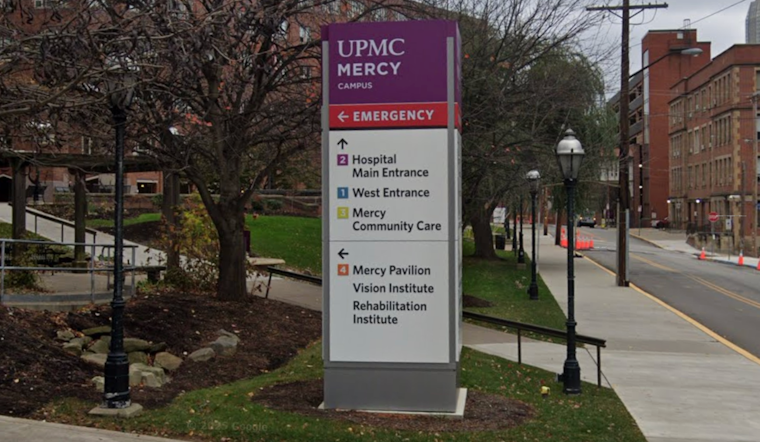
Barbara Primiero has filed a wrongful-death lawsuit claiming her husband, 62-year-old Reno Primiero, contracted Legionnaires’ disease while hospitalized at UPMC Mercy and died on November 23, 2024. According to the complaint, Primiero developed a fever and a productive cough a few days after admission, and later imaging showed pneumonia. The suit accuses hospital staff and treating physicians of negligence and of failing to protect an immunosuppressed patient.
Lawsuit Details
The suit, filed by Barbara Primiero, names UPMC Mercy, University of Pittsburgh Physicians and two doctors. It accuses them of failing to maintain a safe hospital environment and of delaying appropriate treatment, according to TribLIVE. The complaint states that Primiero was first treated at UPMC Mercy on November 4, 2024, discharged on November 7, and then returned on November 11 when imaging showed pneumonia. The hospital did not immediately comment; the outlet reported.
Why Hospitals Are High-Risk
Legionnaires’ disease is a severe form of pneumonia caused by inhaling water droplets contaminated with Legionella bacteria, and hospitals are a well-known source of exposure for medically fragile patients. The Centers for Disease Control and Prevention notes that immunocompromised patients and those with chronic lung disease face higher risk and recommends testing patients who develop pneumonia after a healthcare exposure, CDC guidance says. Preventing healthcare-associated cases focuses on tight water-system management and prompt clinical testing when symptoms appear.
Allegations From The Complaint
The complaint, as described by TribLIVE, states that medical records flagged Primiero’s pneumonia as hospital-acquired and list his cause of death as adult respiratory distress syndrome, Legionella pneumonia and interstitial lung disease. It alleges staff knew Primiero was immunosuppressed and therefore vulnerable to Legionella exposure, and that clinicians failed to timely and adequately treat signs of infection, according to the filing. The suit seeks damages for negligence and wrongful death and sets up a civil case that could move into discovery if the defendants respond.
Local Context
Pittsburgh health officials and hospitals have been on alert for Legionella in recent months: two patients at the Pittsburgh VA tested positive in May, prompting crews to flush and retest parts of the facility's water system. That episode underscores how quickly facilities move to disinfect and investigate when cases surface, and why timely testing matters. Public-health experts say families and clinicians should push for testing when pneumonia develops after a hospital stay.
What Comes Next
Reno Primiero’s obituary confirms he died on November 23, 2024, at age 62 and remembers him as a longtime local business owner. In civil suits like this, the hospital and named physicians typically answer the complaint, seek dismissal, or negotiate settlement. If the case moves forward, discovery could produce patient records and any environmental testing that would become key evidence. The timeline for resolution is uncertain, and outcomes range from settlement to trial. According to reporting, the hospital did not immediately comment.



