

























































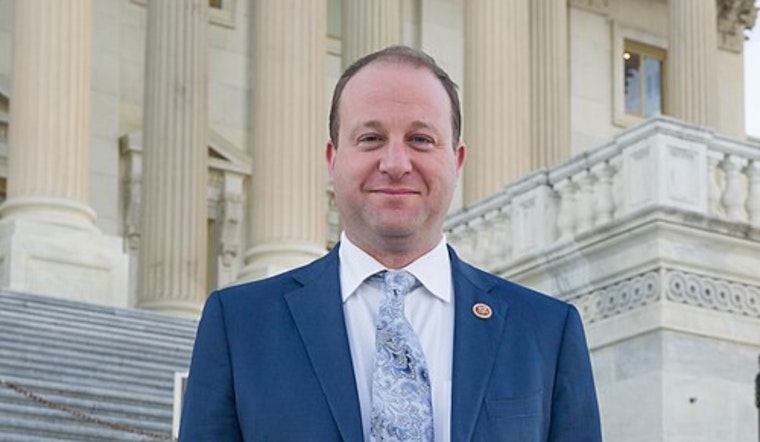
Gov. Jared Polis says Colorado is done playing games with the clock. On Sunday, he declared that the state is ready to stop changing clocks twice a year, calling the ritual confusing and disruptive for families and businesses. His comments landed after the U.S. House voted this month to let states adopt daylight saving time year-round, a shift that would still need Senate approval and the president’s signature. Polis tied that federal momentum to a 2022 Colorado law that already sets the stage for permanent daylight saving time, once legal and regional conditions line up.
Polis leans on state law and local coverage
In a Facebook post, Polis wrote that Colorado is "ready to stop moving our clocks around twice each year" and linked to local explainers on how a permanent change would play out. He pointed readers to a 9News graphic that spells out how sunrises and sunsets across the state would shift under year-round daylight saving time.
House vote clears one hurdle
On July 14, the U.S. House passed the Sunshine Protection Act in a 308-to-117 vote, sending the measure to the Senate and reviving the push to "lock the clock," according to AP News. Supporters argue that permanent daylight saving time would mean more evening daylight and potential economic gains. Opponents counter that it would also bring darker winter mornings for schoolchildren and commuters.
How Colorado's law fits into the bigger picture
Colorado’s HB22-1297, enacted in 2022, designates daylight saving time as the state’s year-round standard. The catch is that the switch is conditional. It can only take effect if Congress authorizes permanent daylight saving time and if at least four other Mountain Time states pass similar laws, according to the Colorado General Assembly. That requirement keeps Colorado’s plan on hold until both federal and regional boxes are checked.
States, science and politics collide
The National Conference of State Legislatures reports that roughly 19 states have already passed laws or resolutions that would let them adopt permanent daylight saving time if Congress gives the green light. Medical groups and lawmakers are still debating which fixed schedule is healthiest, and observers say the bill’s future in the Senate remains uncertain, according to The Washington Post.
What it would mean for Coloradoans
Local coverage and time calculators lay out the tradeoffs clearly. Under permanent daylight saving time, winter sunrises in Denver and other Colorado cities would come later in the morning, while evenings would gain an extra hour of light. That shift would ripple into school start times, construction schedules and outdoor businesses, as illustrated by 9News. Polis framed those tradeoffs as manageable in his post and stressed the importance of coordinating with neighboring states.
What’s next
The House-passed measure now moves to the Senate, where leaders will have to juggle regional politics, health recommendations and vote counting before the bill could become law. House Energy and Commerce committee chairs urged the Senate to take it up in a July 14 press release from the committee. Even if Congress signs off on permanent daylight saving time, Colorado’s HB22-1297 means the state would only move to a single time system once federal authorization is in place and enough Mountain Time neighbors pass compatible laws.





