

























































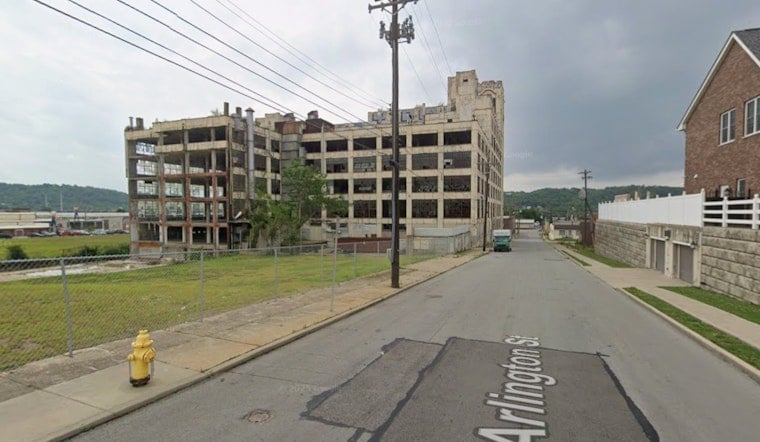
Camp Washington's long-stalled Crosley Building is no longer being teed up as the neighborhood's next big apartment play. The Port of Greater Cincinnati Development Authority has shifted gears, moving public conversation away from large residential conversions and toward industrial and manufacturing-support uses, a pivot that reshapes what many residents and small business owners hoped would jump-start broader investment.
Port Recasts Crosley Plan
As reported by Local 12, the Port is now promoting a redevelopment concept for the roughly 330,000-square-foot Crosley Building that leans into industrial and mixed-use space instead of earlier ideas centered on artist housing or market-rate apartments. Coverage has also pointed to neighborhood anchors like Tony Ferrari’s Mom 'n 'em, a shop the family opened in 2019 after rehabbing a house on Colerain Avenue, as proof that change in Camp Washington has been gradual and driven heavily by locals.
Funding, Jobs And The Site
The Port’s own project page outlines the funding and technical groundwork behind the shift. According to The Port, the Crosley site has already pulled in remediation and acquisition support from the state, the city and Hamilton County. Potential redevelopment scenarios estimate roughly 350 jobs and about $22 million in annual payroll if the project reaches its projected economic impact, although the final reuse still depends on structural, environmental and design reviews.
Past Plans And Local Debate
The move away from housing represents a notable break from past pitches. Local reporting has detailed how developers such as Core Redevelopment and TWG once floated plans for hundreds of apartments and workforce housing at Crosley before financing and feasibility concerns pushed those concepts aside. Coverage by WCPO captures a split reaction in the community, with some residents and business leaders welcoming the promise of jobs and remediation money while others had banked on more units and expanded neighborhood housing options.
What Comes Next
The Port says it will keep remediation work moving, commission a structural analysis, and continue engaging community stakeholders before locking in final uses for the building, a process that could stretch for months while environmental and historic issues are addressed. Per The Port, the agency has already executed a purchase-and-sale agreement and is working through abatement and a Covenant Not To Sue with the Ohio EPA, which signals that cleanup and due diligence are the immediate priorities.



