

























































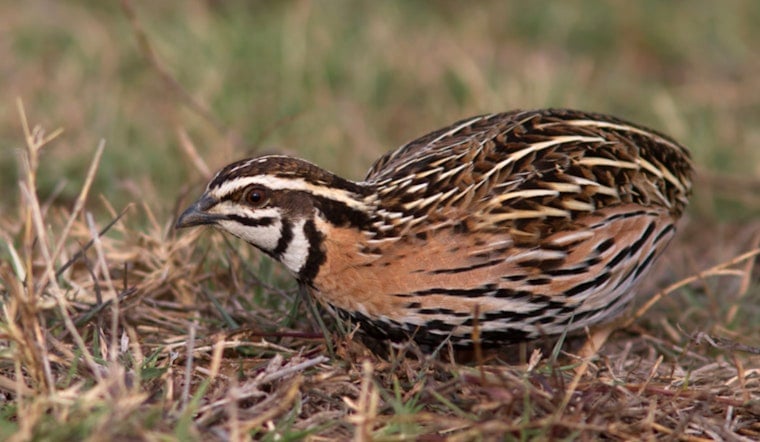
Port Washington is sending in the birds. One hundred northern bobwhite quail were released Friday at the Hempstead Harbor Nature Trail in a homegrown attempt to knock down local tick numbers without spraying a drop of pesticide. Students, volunteers and town officials watched as the birds were gently let out of their cages and hustled into the brush along the shoreline trail.
The Town of North Hempstead's summer events calendar even bills the release as a community happening. A public "Quail Release" is listed for 11 a.m. on July 24 at the Hempstead Harbor Nature Trail near North Hempstead Beach Park, according to the Town of North Hempstead. The listing confirms the timing and location for the release and folds it into the town's broader lineup of parks programs.
In a statement to ABC7, Town Supervisor Jennifer DeSena called the effort "a good organic alternative" to pesticides and said it helps bring back a native bird that has largely disappeared from the region. The outlet also reported that northern bobwhite quail "eat an average of 5,000 to 10,000 ticks over their lifetime," a figure officials regularly cite when explaining why these small birds have become foot soldiers in the local tick-control plan.
How the release works
The quail do not just appear at the harbor overnight. Volunteers, schoolchildren and local gardens incubate and raise the chicks through spring before the public release each summer. As reported by Patch, roughly half of this year's birds were raised at the Clark Botanic Garden, and dozens of classrooms and libraries take part every year through hands-on lessons. Organizers say that community involvement supports habitat restoration while giving students a close-up look at conservation in action.
Why officials favor quail
The strategy is built around two connected worries, the shrinking numbers of native quail and the steady drumbeat of tick-borne illness in the region. According to the New York State Department of Environmental Conservation, northern bobwhite populations have "been declining at an alarming rate" for decades. At the same time, the New York State Department of Health has urged residents to take tick precautions after documenting tens of thousands of Lyme and other tick-borne disease cases in recent years. Town leaders say the quail program is one tool, alongside public education and habitat work, that they hope will help reduce exposure to ticks for people and pets.
At the release, town officials and volunteers said they are hoping the quail stick around the trail area, cut into local tick numbers and double as a living science lesson for younger residents. Previous coverage shows that North Hempstead has turned to quail releases repeatedly as a non-toxic pest-control experiment, according to Long Island Press.





