

























































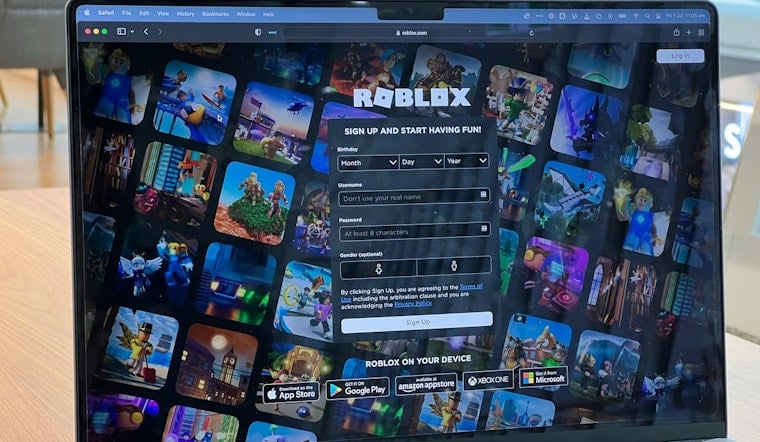
A Portland mother is taking Roblox to court, claiming the wildly popular gaming platform became the hunting ground for a man who groomed her young daughter through in-game chat over several years. According to the lawsuit, the man pretended to be a peer, built an online relationship and repeatedly pressured the child to engage in sexualized behavior. The family brought the messages to police, but investigators told them they could not locate the suspect because he lives outside the United States.
According to KPTV, the girl’s mother says she would not have allowed an 8-year-old to play Roblox if she had realized how open some chat features were. The station reports the child started using the platform in 2016, and that a stranger who said he was her age slowly convinced her they were in a relationship. Fox 12 reports the mother turned the messages over to police after discovering them, and that the investigation stalled when authorities said the alleged predator was outside the United States.
Roblox pushes safety upgrades
Roblox says it has rolled out age-based accounts and tighter parental controls and now requires users worldwide to complete an age check before they can access chat, according to a company press release from Roblox. The company says it has introduced dozens of safety features and uses automated systems along with human reviewers to flag problematic communications. Independent coverage has noted that Roblox has also tested real-time AI chat rephrasing and upgraded filters designed to catch illicit language while keeping gameplay moving, as reported by TechCrunch.
What the lawsuit alleges
As reported by KPTV, the complaint, which the station is not naming in order to protect the child, alleges the man told the girl he loved her, asked to shower with her and repeatedly urged her to run away, all through Roblox chat. The plaintiffs describe those messages as years-long grooming that escalated on the platform and then beyond it. The suit seeks damages and changes to how Roblox monitors communications that involve young users.
A wider wave of legal pressure
The Portland filing lands in the middle of a broader national legal fight over child safety on user-generated platforms. Dozens of private lawsuits have been combined into a federal multidistrict litigation, In re: Roblox Corporation Child Sexual Exploitation and Assault Litigation (MDL No. 3166), by the Judicial Panel on Multidistrict Litigation, according to a JPML transfer order. State attorneys general have entered the fray as well: Kentucky’s lawsuit was covered by WLWT, and Louisiana’s attorney general filed a high-profile enforcement case last year that called out specific in-game experiences in its complaint, as reported by PC Gamer.
What parents can do
Families can lower the risk by reviewing account settings, turning on parental controls and tightening chat and friend request options for younger players. Roblox’s own guides in the Roblox Safety Center walk through age-based defaults and step-by-step tools for caregivers. Parents are also advised to save any troubling messages, report and block suspicious users within the app and contact local law enforcement if they think a crime may have occurred. Platform guides explain how to set chat limits, block specific experiences and use the newer age-verification features.
Legal implications
If the Portland case moves forward, it could become another local example folded into the MDL and state enforcement efforts that are already scrutinizing internal moderation systems, age checks and product design decisions. Plaintiffs in related cases are seeking both money damages and court orders that could force platform-level safety changes. The multidistrict structure also makes it more likely that sensitive internal records and safety-testing data will surface during pretrial discovery, according to coverage by LegalClarity. Legal observers say those developments, along with state settlements and ongoing investigations, are helping shape how platforms design default settings and parental controls.
The Portland lawsuit is still in its early days, and court records will determine whether it remains in local court or is pulled into the federal MDL. For now, the filing adds one family’s account to a fast-growing national debate over how far platforms and regulators should go to keep kids safe online.




