

























































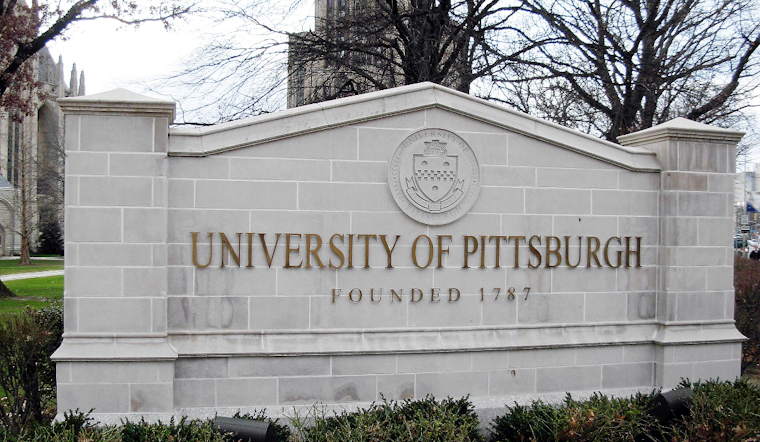
A West Virginia University–led coalition that includes Carnegie Mellon University and the University of Pittsburgh has landed a $321 million National Science Foundation award to build what amounts to an industrial energy innovation hub across Appalachia. The Resilient Energy Technology and Infrastructure, or RETI, Engine will be anchored in Morgantown with an operational branch in Pittsburgh and is pitched as a way to develop hardware, software, and workforce pipelines that can harden the power grid while luring new manufacturing and data-center investment. University leaders say the project blends federal dollars with private and state commitments to speed commercialization and create regional jobs.
The award comes through NSF's Regional Innovation Engines program, which on July 14 named 12 winning engines. Each team receives an initial $15 million and can qualify for as much as $160 million over the next decade if it meets performance milestones, according to the National Science Foundation. The program is meant to connect research universities, industry, and local partners so that promising technologies do not sit on the shelf.
WVU says RETI will combine the NSF backing with about $161 million in partner contributions from industry, philanthropy, state and community organizations, bringing total public-private investment to roughly $321 million. The Engine's main office is slated for the WVU Innovation Corporation in Morgantown, with a branch at Pittsburgh’s Energy Innovation Center, and leaders are planning near-term media briefings for credentialed reporters. According to West Virginia University, the funding mix is designed to boost commercialization, workforce training and regional economic resilience.
What the hub will build
RETI’s technical agenda is broad and ambitious: grid-scale energy storage, AI-driven grid management tools, cyber-secure controls and lower-emission manufacturing processes that include hydrogen pathways and advanced chemical production. Carnegie Mellon researchers and RETI discussion papers contend that pairing AI with new hardware will be key to scaling resilient systems capable of supporting reshored manufacturing and large data-center loads. As outlined by Carnegie Mellon University's Scott Institute, the initiative also targets policy and permitting hurdles that can slow deployment even when the technology is ready.
Jobs, startups and dollars
Organizers say the Engine could help drive more than $1 billion in regional economic growth over ten years, support around 150 startups, and create more than 21,000 jobs as projects move from lab experiments to commercial products. Those projections are guiding RETI’s workforce programs, commercialization strategies and partner investments. Pitt Research notes that the figures are tied to a decade-long buildout and to commitments from the consortium’s partners.
Local footprint and next steps
RETI’s materials list more than 60 partners and describe the group as “anchored in the heart of America’s historic energy corridor,” with planning centered on technology pilots, capital alignment and expanded workforce pipelines. The consortium says its immediate to-do list includes demonstration projects, policy work, and building regional supply chains that can serve next-generation industrial demand. RETI Consortium documents say planning and partner coordination will be front and center as teams move into the NSF performance phase.
What comes next
Under NSF’s structure, engines receive an initial award and must hit milestones over the first two years. Teams that show progress can secure expanded funding up to the $160 million ceiling across the next decade. The staged approach is designed to reward engines that deliver measurable results in commercialization, job creation and regional collaboration, according to the National Science Foundation. RETI leaders say the coming months will focus on pilot projects, workforce alignment and outreach to investors.
Voices from the region
WVU President Michael T. Benson called the award an incredible opportunity for the region to make history, while RETI CEO Erienne Olesh framed the timing as critical given surging power demand linked to AI and reshoring, according to university statements. Federal and state officials also praised the selection as an economic opening for Appalachia. West Virginia University published the comments along with details on planned media availability for reporters.
The selection has also drawn attention in western Pennsylvania, where the Pittsburgh Business Times covered the award, regional implications, and potential project hubs in the Pittsburgh area. The Pittsburgh Business Times report includes local reaction and early discussion of pilot sites and workforce plans.





