

























































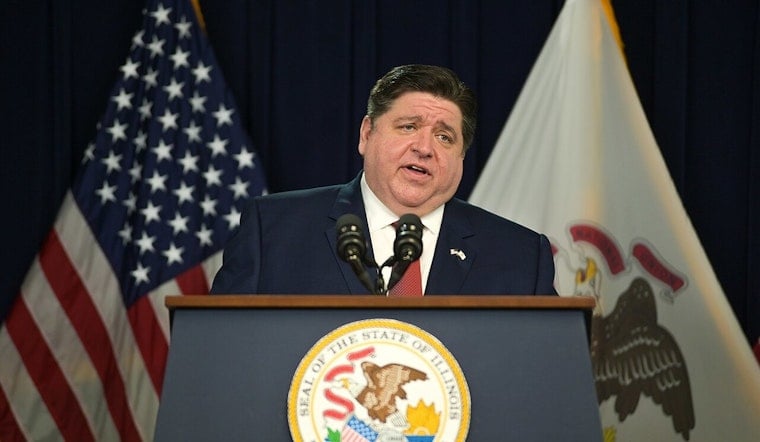
Gov. J.B. Pritzker is all in on using artificial intelligence, but not so keen on the government owning a slice of the companies building it. In a new interview, he said he leans on AI daily for research and drafting, yet warned that Washington should stay out of the equity game and that Illinois should slow the rush of new data center incentives until tighter rules are on the books. His comments land right as a national argument heats up over whether everyday Americans should cash in directly on the AI gold rush.
On the season debut of NBC Chicago’s podcast The Takeaway With Alex, Pritzker said the U.S. government "should not have a direct stake" in frontier firms like OpenAI or Anthropic and likened the idea to Venezuela, according to NBC Chicago. He described using AI tools as part of his day-to-day workflow while insisting that serious oversight is needed for the technology’s broader fallout. The wide-ranging conversation also wandered into his reelection priorities and how the state should chase economic development without losing the plot locally.
State Pause On Data-Center Incentives
Pritzker has already backed his talk with a statewide reset. He ordered Illinois agencies to stop processing applications for data center tax incentives beginning July 1 and pressed lawmakers, utilities, labor leaders and industry groups to hammer out new rules during the fall veto session, a plan first outlined in NBC News. The state already counts more than 200 data centers, a surge that has fed local complaints about noise, heavy water use and stress on the power grid.
"Illinois has an opportunity to continue leading in technological innovation and economic growth, but we also have a responsibility to protect working families and local communities," Pritzker said. The pause is meant to give Springfield and local officials time to decide how many more sprawling server farms they really want, and under what conditions, before the next wave of applicants lines up for tax breaks.
Where The Federal Debate Fits In
While Illinois sorts out its footing, Washington is wrestling with a different question: should the federal government literally own a piece of the AI action. Recent reporting revealed that OpenAI discussed giving the United States roughly a 5 percent equity stake, an idea that various outlets have estimated would be worth tens of billions of dollars, as part of a proposed "public wealth" model rooted in the Reuters account of those talks. The concept sits alongside Sen. Bernie Sanders’ call to establish a massive AI sovereign-wealth fund through a one-time equity tax, according to Sanders’ office.
These proposals are fueling a high-level tug of war over whether the upside of AI should flow mostly to shareholders and founders or whether the public should get a legally guaranteed cut. Pritzker, for his part, is signaling that the federal government turning into an AI shareholder is a bridge too far.
Politics And What Comes Next
Pritzker pitched his approach as a middle path, one that chases high-paying tech and construction jobs while drawing a line around communities and natural resources as AI infrastructure spreads. Over the coming months, decisions by state lawmakers, utility regulators and county boards will decide whether Illinois keeps landing giant data center projects or slows construction to shield local water supplies, power capacity and neighborhoods.
For Chicago-area residents, the fight will sound familiar. It is the usual bargain of jobs and tax revenue on one side, and concerns about grid strain, water use and quality of life on the other. Pritzker’s interview makes clear he intends to set the tone from Springfield, even as the Beltway argues over public ownership, AI wealth redistribution and how much Uncle Sam should have riding on Silicon Valley’s next move.





