

























































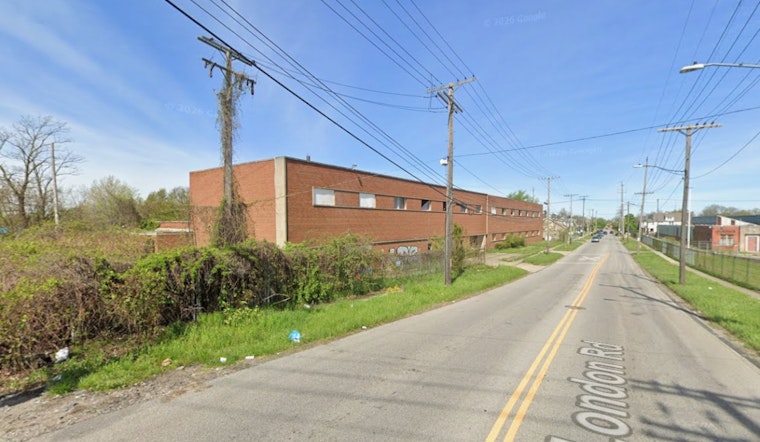
After decades of sitting vacant and creeping out commuters on London Road, the long-derelict Advanced Medical Systems plant in Collinwood is finally coming down. The former maker and service hub for cobalt-60 cancer treatment devices has been a neighborhood eyesore and environmental headache for years. Neighbors say the demolition, along with the soil testing that follows, could finally open the door to a full cleanup and a safer future for the block.
According to Cleveland.com, Partners Environmental Consulting is handling the teardown of the supermarket-sized structure and expects the work to take about a month. After that, crews will collect soil samples as part of the final remedial action. The outlet also reports that contractors asked to discharge water from inside the building into the public sewer but were turned down, and city and sewer officials maintain that any contaminated water never threatened Cleveland’s drinking supply. City public health staff and state officials are set to oversee the testing that follows demolition.
State money and cleanup timeline
As reported by Axios Cleveland, the Ohio Department of Health has put up nearly $12 million to finish remediation at the site, removing a major financial roadblock. Officials say that money, combined with the demolition now underway, should let crews wrap up soil sampling and other final remedial steps without further holdups.
How contamination reached the sewer system
According to the U.S. EPA's 2016 pollution and situation report, vandals once cut power to the shuttered plant, creating a risk that its basement could flood and spread potentially contaminated water. That incident triggered an emergency pumping operation and tighter security at the site. The EPA report also notes that the regional sewer district plugged sewer lines from the plant back in the 1990s after earlier cobalt-60 detections, and that regulators have maintained sampling and containment efforts ever since.
Legal and regulatory background
The site’s long and tangled regulatory history is spelled out in federal records. A notice in the Federal Register details past petitions by the Northeast Ohio Regional Sewer District and Nuclear Regulatory Commission actions tied to the London Road license, including technical reviews in the mid-1980s. The settlement language cited there required Advanced Medical Systems not to discharge cobalt-60 into the sanitary sewer. Those documents show that contamination concerns and sewer disconnections have been legal flashpoints for decades, which helps explain the slow and very cautious pace of cleanup.
Neighbors relieved but cautious
Local residents told Cleveland.com they initially assumed the hulking structure was being renovated, not razed, and said they were relieved to learn it was finally coming down. Even so, community members and public health officials say they plan to keep a close eye on test results before anyone talks seriously about redevelopment or public use.
With heavy machinery chewing through concrete and state dollars locked in, the most hazardous chapter of the Collinwood site’s story appears to be fading out, but regulators stress the work is not over. Demolition will clear the way for systematic soil testing and any further cleanup required by lab results, and city and state health officials will stay on the case as samples are processed and decisions about reuse are made. For now, residents say the idea of an open, green lot where the empty plant once loomed is a welcome change of scenery.



