

























































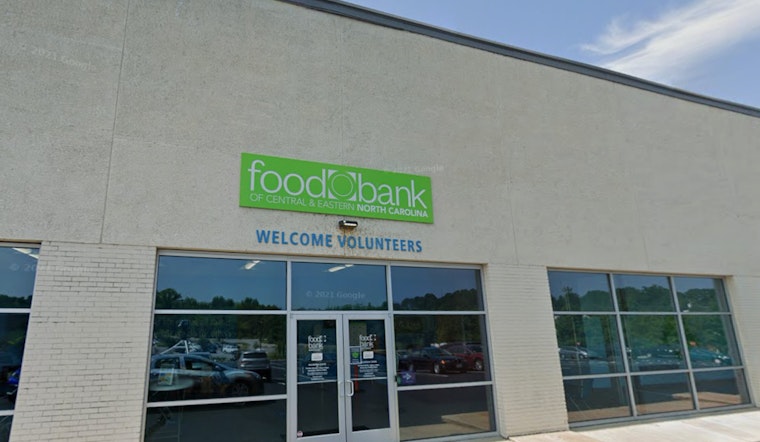
The Food Bank of Central & Eastern North Carolina flipped the switch on a Triple Match Day on Thursday, turning every donor dollar into three as part of a summer push to keep kids and families fed. Organizers say the special match is designed to make even a small gift stretch at a time when demand is unusually high and school-based meals and other supports are harder to reach.
Triple Match, Triple Meals
The Stop Summer Hunger Match triples gifts by building on the Food Bank’s buying power. Because the organization typically turns every dollar into roughly three meals, staff say a $10 donation can translate into about 90 meals. The match is a one-day effort to boost distribution at pop-up markets and partner pantries across the region. According to Food Bank of Central & Eastern North Carolina, the drive is timed to reach kids who lose daily school meals during the summer.
How Big Is The Need?
Recent research and Food Bank reporting show more than 168,000 school-age children and teens in the Food Bank’s 34-county service area are food insecure, roughly one in five young people, with an even larger number statewide. That strain tightens in summer, when the roughly 10-week school break leaves many families without cafeteria breakfasts and lunches. As reported by North Carolina Health News, local pantries and summer meal sites are already seeing higher demand this season.
On The Ground
“(We're) living in times when I don't know if I would eat that day,” Raleigh veteran Emmanuel Browne told ABC11. Food Bank Vice President Carter Crain added, “We're still responding to biggest hunger crisis in a long time, in generations.” The station noted that veteran-serving groups and military families are increasingly turning to charity food distribution as other safety nets weaken.
How The Network Stretches Aid
The Food Bank says its network of more than 700 local pantries, no-cost markets, meal sites and delivery programs helps it buy in bulk, rescue surplus food and move fresh product quickly into communities that need it. Those systems, along with the Food Bank’s cost efficiencies, are what allow small donations to be multiplied into many meals. See Food Bank of Central & Eastern North Carolina for locations and volunteer details.
Policy Shifts And The Summer Gap
Federal funding changes and program tightening have put extra pressure on local hunger-relief efforts this year. As detailed by North Carolina Health News, recent SNAP and federal nutrition policy shifts have moved more costs and administrative work onto states and counties, adding strain for pantries and summer-meal programs. That squeeze is a key reason the Food Bank and its partners are leaning on limited-time match days to bring in immediate donations.
Organizers say today’s match offers a one-day boost, but that every dollar and volunteer hour helps keep summer meal sites and pop-up markets stocked. Local readers who need food or want to pitch in can find pantries, meal sites and volunteer shifts through the Food Bank’s online tools and partner listings. Tonight’s tally will give a quick read on how far the community is willing to stretch support while longer-term policy fixes are still being argued over.




