

























































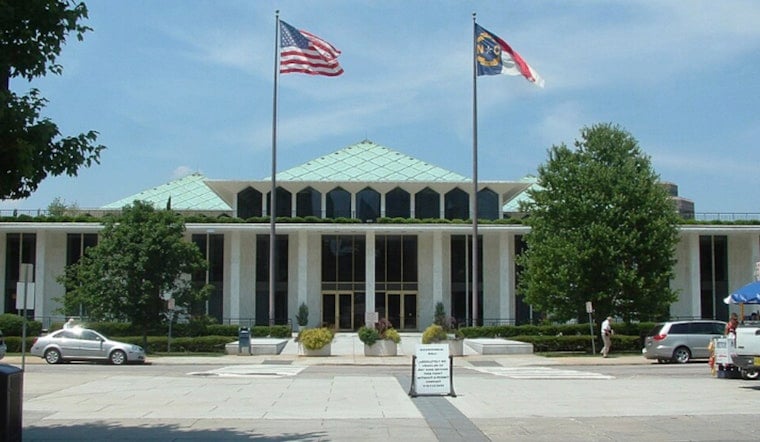
Raleigh, N.C., could soon give freelancers and gig workers a new way to buy their own benefits, as a GOP-backed bill at the General Assembly moves another step closer to a House vote.
The proposal would let companies, app platforms and other hiring parties put money into worker-owned portable benefit accounts for independent contractors without changing those workers into employees. Supporters say that setup would help contractors pay for health, disability and retirement coverage that follows them from job to job.
What the bill would do
House Bill 1083, titled the Voluntary Portable Benefits Plan Act, would set up portable benefit accounts owned by independent contractors. Money in those accounts could be used to purchase health insurance, unemployment insurance, income-replacement insurance, disability insurance, life insurance and retirement benefits.
Under the bill, a hiring party could contribute directly to a contractor’s account or fund it through a percentage withheld from the contractor’s compensation. The accounts would have to be run by a third-party provider that the contractor chooses, and the account would be assigned to a beneficiary rather than to any hiring party.
HB 1083 would also add a state income tax deduction for amounts an independent contractor receives in a portable benefit plan, according to the North Carolina General Assembly.
Where it stands now
The House Finance Committee advanced the bill on Tuesday and sent it to the powerful House Rules, Calendar and Operations Committee, which controls what does and does not get a floor vote. The measure previously cleared the House Commerce and Economic Development Committee in May before landing in Finance, according to WBT.
“This bill authorizes a person who works as an independent contractor for their hiring party to volunteer and contribute funds for benefits,” Rep. Timothy Reeder told colleagues during the Finance Committee meeting. Donald Bryson, president and CEO of the John Locke Foundation, said the bill “gives the market room to innovate” while protecting worker choice, according to Carolina Journal.
Why supporters say it matters
Backers argue that HB 1083 could help an estimated 900,000 North Carolinians who freelance, contract or run their own businesses access benefits without giving up their independence. That estimate, and the broader shift toward portable, account-based benefits, appears in research from the Mercatus Center and in the National Conference of State Legislatures.
Legal implications
To head off fights over worker classification, HB 1083 spells out that contributions by a hiring party “shall not be treated as evidence” that the worker is an employee under North Carolina unemployment insurance, workers’ compensation, taxation or labor laws. The bill defines “hiring party” to include public and private entities, including internet or application-based companies, and places account ownership and provider selection firmly with the independent contractor, according to the North Carolina General Assembly.
What happens next
With the Rules Committee as the next stop, the full House could take up HB 1083 later in the session. If it passes there, the bill would move to the Senate for consideration. The measure’s progress and text are being tracked on legislative services and bill-tracker sites, according to LegiScan.
If enacted, HB 1083 would create a voluntary path to benefits for contractors and the companies that hire them while keeping the independent-contractor model in place. Lawmakers and stakeholders on both sides say they will be watching how similar programs play out in other states as North Carolina weighs whether to send the plan to the governor.



