

























































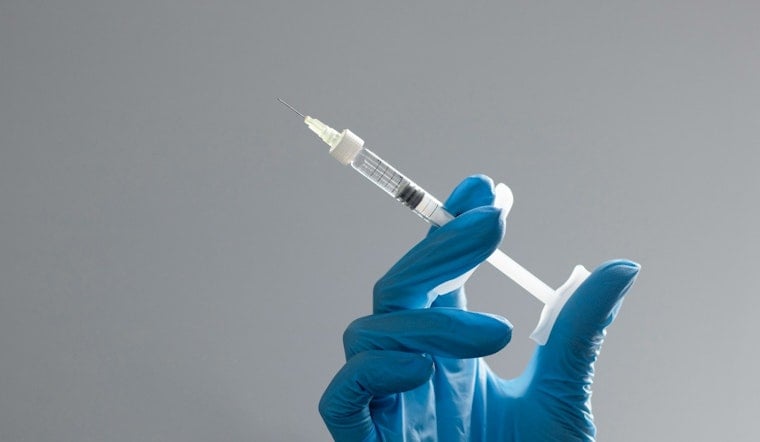
A potent veterinary sedative nicknamed “rhino tranq” is starting to creep into Minnesota’s illicit fentanyl supply, raising the stakes for overdoses and making emergency care a lot more complicated. The drug, medetomidine, can cause deep, long lasting sedation and slow both breathing and heart rate, effects that naloxone does not directly reverse. Harm reduction workers and local officials say this unpredictable cocktail makes bystander response and drug checking more critical than ever.
Seizures show the drug is in Minnesota
Over the past 15 months, federal drug enforcers in Minnesota seized nearly 250 grams of medetomidine mixed with fentanyl, with most seizures in Minneapolis and one pure medetomidine seizure in St. Louis County, as reported by Star Tribune. Rafael Mattei, the DEA’s assistant special agent in charge in Minneapolis, told the paper officials worry about the compound spreading through the illicit supply. Those seizures prompted local and federal warnings and outreach to hospitals and harm reduction programs.
Why medetomidine makes overdoses harder to treat
The Centers for Disease Control and Prevention warns medetomidine is an alpha-2 adrenergic agonist that can produce profound, often prolonged sedation, bradycardia and hypotension and does not respond to naloxone. The agency’s health advisory also documents a sharp rise in national detections, suggesting the drug is increasingly mixed into fentanyl. Because most medetomidine-positive samples also contain fentanyl, the CDC says naloxone should still be given to restore breathing while rescuers provide airway support and arrange hospital evaluation as needed, according to CDC. Clinicians in other U.S. cities have reported clusters of patients needing extended ICU care or specialized management when medetomidine is involved.
State numbers and official guidance
Minnesota Department of Health data show overdose deaths rose to 1,025 in 2025 from 994 in 2024, though both figures remain below the state’s 2022 peak of 1,392, the agency’s surveillance indicates. The state notes sedatives like xylazine and medetomidine are increasingly being found mixed in fentanyl and urges responders to prioritize restoring breathing, administer naloxone and send people to hospital care when deep sedation persists, according to Minnesota Department of Health.
Harm reduction groups and local responders
Staff at Red Door Exchange told Star Tribune they first heard about medetomidine when it surfaced on coastal drug markets and say the program has been gearing up with extra testing and naloxone distribution. “The naloxone is going to have them start breathing again but the medetomidine, they might still be sedated,” Hennepin County’s naloxone coordinator Megan Thomas told the paper, underscoring why outreach and drug checking matter as supply patterns shift, per Star Tribune.
How to respond if you find someone overdosing
Public health guidance from federal and state officials lines up clearly: call 911, give naloxone, start rescue breathing if the person is not breathing and place them in the recovery position while waiting for emergency responders. Because medetomidine can leave patients heavily sedated even after naloxone restores breathing, emergency teams may need to monitor heart rate and breathing and transport the person to a hospital for observation and supportive care, per Minnesota Department of Health.
Law enforcement and next steps
The DEA has issued public warnings about veterinary sedatives appearing in fentanyl and notes medetomidine is not approved for human use as agencies expand testing and surveillance, according to the DEA’s diversion division. Officials say more local data should arrive as testing expands. In the meantime, harm reduction groups emphasize drug checking, not using alone and keeping naloxone easily available for anyone at risk.




