

























































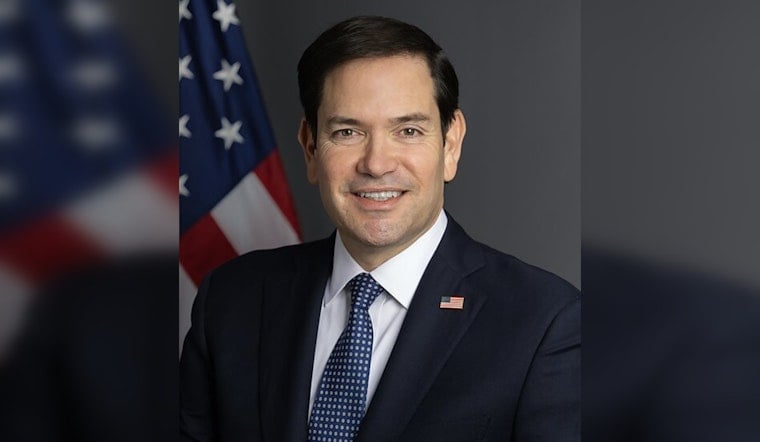
Secretary of State Marco Rubio is preparing to convene a high-profile ministerial in Washington on Thursday that the administration says is aimed at confronting a “resurgence of transnational far-left terrorism.” Officials say what started as a roughly 60-country guest list has ballooned to delegations from more than 70 nations, a rapid expansion that has thrilled some security partners and rattled civil-liberties advocates who fear counterterrorism tools could be steered into partisan territory.
As reported by ABC News, the State Department said in a post on X that the ministerial was widened “due to overwhelming interest,” and a department official told reporters that more than 10 additional invitations had gone out. Internal “concept notes” sent to invitees cast the gathering as a chance to build “coordinated action” against organizations the United States describes as trying to impose an “extreme political vision” through intimidation and violence. ABC reported that the expanded roster stretches across Europe, Latin America and Asia, and that organizers intend to spotlight intelligence-sharing and law-enforcement cooperation.
Pushback From Allies
The Washington Post reported that several European diplomats and career U.S. officials have questioned both the premise and the late timing of the invitations, with some saying they do not view left-wing groups as a priority threat. Documents reviewed by The Post reflect internal unease inside the U.S. government, and the outlet reported that some American officials have opted out of the July 16 event altogether. The Post also cited officials warning that tying certain activists to foreign terrorist organizations “can unlock certain investigative tools,” language that has amplified civil-liberties concerns about how such labels might be used.
Data And Context
According to a report by CSIS, attacks and plots linked to the left have risen in recent years but “have risen from very low levels and remain much lower than historical levels of violence carried out by right-wing and jihadist attackers.” The analysts urged policymakers to resource “all dimensions” of the terrorism threat rather than fixating on a single ideology. CSIS data identified 2025 as a turning point in which left-wing incidents outnumbered far-right ones, largely because right-wing attacks declined that year. Experts say those nuances help explain why many analysts are wary of building international counterterrorism frameworks around one camp alone.
Critics And Civil-Liberties Warnings
Civil-liberties organizations have cautioned that broad-brush terrorism categories could pull in peaceful demonstrators and donors alongside violent actors. The ACLU raised that concern in coverage of the initiative, according to ABC News. Reporting in recent weeks has also quoted officials saying that linking U.S. activists to foreign groups “can unlock certain investigative tools,” a scenario civil-liberties advocates argue could widen surveillance and prosecutorial reach. Those objections help explain why some agencies and foreign partners have been reluctant to endorse the effort without reservations.
Legal Implications
U.S. law requires that a group qualify as a “foreign organization” for the Secretary of State to designate it as a Foreign Terrorist Organization, and such a designation carries stiff consequences, including asset freezes and immigration bars, according to the statute. Legal primers describe an interagency review process, the need for an administrative record and a short congressional notification window before designations take effect. Those requirements are a key reason experts say trying to apply FTO labels to decentralized, domestic movements would be legally fraught; see the statute and a primer for background.
What To Watch
The ministerial is set for Thursday in Washington, and attention will center on which governments dispatch senior officials, whether participants commit to concrete intelligence-sharing or law-enforcement steps, and whether any new actions or designations emerge from the talks. Supporters say the State Department is simply tightening coordination among like-minded partners; critics say the real test will be whether the meeting subtly shifts investigative or prosecutorial practices inside the United States.





(2).jpg)