

























































In North Austin’s Rundberg neighborhood, a group of fed-up residents has quietly launched its own high-tech gunshot alert system, turning a scary ceiling-piercing bullet incident into a full-fledged community experiment in public safety.
The new pilot, which started in June and is run by the neighborhood’s civic association, uses small acoustic sensors and a phone or tablet app to detect possible gunfire and send short audio alerts to residents. Neighbors then decide for themselves whether the noise sounds serious enough to call the police.
How the pilot works
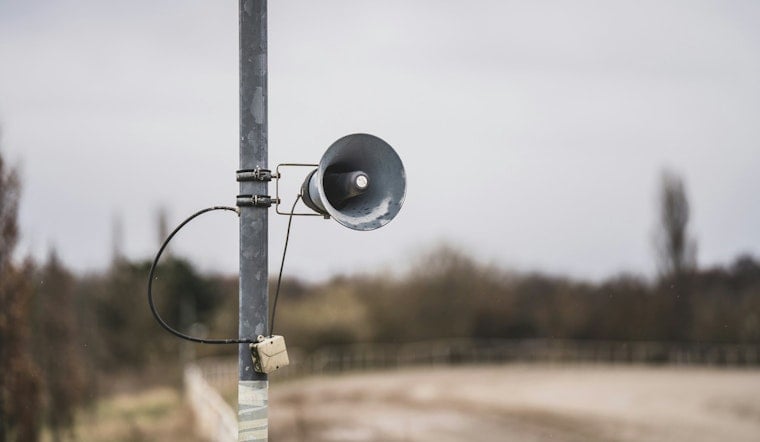
Volunteers have placed small acoustic boxes around the neighborhood. The devices listen for loud, impulsive sounds, timestamp what they hear, and work together to estimate a general location. When the system flags a possible gunshot, an alert goes to users’ phones or tablets that includes an incident ID number, a map marker, the time, and a short audio clip that residents can replay.
Only neighbors who opt in receive alerts. They can review the clip and then decide whether to call 911, instead of having the system automatically send every detection to law enforcement, according to KXAN.
Community control and privacy
From the start, organizers built the project around neighborhood control and limited automatic integration with police, emphasizing choice instead of blanket surveillance.
“We wanted this to be a community-based system that was initiated by residents,” Brian La Cour, treasurer of the North Austin Civic Association, told Austin PBS's Decibel.
The segment also traced the pilot’s roots to a Vanderbilt research tool called Civic Alert and walked through the tradeoffs volunteers are weighing around privacy and safety, including who should host sensors on their property and how visible the gear should be.
Why it started and what's next
Neighbors say the pilot came together after a 2024 case in which a bullet, believed to be celebratory fire, pierced a child’s ceiling. Roughly 100 people have opted in so far, and organizers have scheduled a check-in with residents and law enforcement next week.
Under the current setup, dispatchers and sworn staff are supposed to see precise coordinates only when a caller provides an alert ID. Police have separate access to more exact sensor locations. Long-term funding for the project is still unclear, as reported by KXAN.
The North Austin Civic Association describes the work as a community-led effort meant to gather feedback, refine the system, and position the group for future grant support, according to the project page from the North Austin Civic Association.
Residents say they want tools that genuinely make their blocks safer without creating a constant surveillance net. The Rundberg pilot is trying to walk that tightrope. Whether this modest network of sensors actually cuts down on gunfire or mostly produces more data for police remains an open question, but organizers argue that at minimum it gives neighbors more control over how potential shots are documented and reported.





