

























































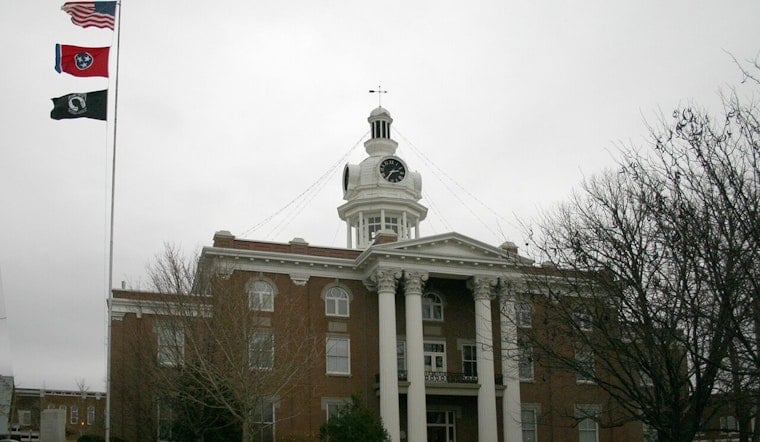
Rutherford County leaders have voted to press ahead with taking roughly 52.7 acres next to the county's Correctional Work Center in Murfreesboro so they can clear room for a new jail and sheriff’s office campus. Backers say the roughly $375 million complex is the only way to relieve what they describe as dangerous overcrowding in the local jail. Critics warn the price tag could mean higher taxes and a costly land fight.
Local reporting and the roll call
The commission’s vote came after weeks of briefings and a detailed pitch from the project’s consulting architect. In one key roll call, the tally was 13-8, as reported by the Daily News Journal. Commissioners Robert Peay Jr., Pettus Read and Trey Gooch were among those siding with the plan. Commissioners Hope Oliver, Steve Pearcy and Paul Johnson landed in the “no” camp, raising alarms about the scale of the land acquisition and the long-term bill that comes with it.
Official record and vote ledger
The county’s formal record tells an even more layered story. An item titled “Resolution Approving the Condemnation Resolution” shows a final tally of 19-2, reflecting multiple motions and roll calls that unfolded during the July 16 meeting. Online commissioner history logs document votes on amendments, funding pieces and the specific condemnation language, underscoring that the measure advanced in several steps tracked by county staff. The full trail is posted in the Rutherford County vote ledger.
Site and scale
The proposed complex would sit beside the Rutherford County Correctional Work Center at 1720 S. Church Street, using about 52.7 acres tied up in the condemnation move. Property owners say they already have a nearly $40 million sale agreement in place for the land. A study from the project architect outlines a 1,500-bed campus estimated at about $375 million, along with an alternate 1,200-bed version priced around $330 million, according to the Daily News Journal. County materials list the Correctional Work Center at the S. Church Street address and cast that facility as central to the operational plan for the larger campus (Rutherford County Correctional Work Center FAQs).
How the county would pay
To cover the bulk of the project, commissioners backed a preliminary borrowing plan of about $360 million, building on an earlier allocation of roughly $18.5 million. Finance Director Michael Smith told commissioners that the projected total includes about $15.9 million for property and architectural fees, according to AOL. Those figures would form the basis of a bond package the county would take to lenders and credit rating agencies if the project keeps advancing.
Architect’s case: overcrowding and savings
Project architect Bart Kline argued that, over the long haul, the sprawling campus could actually save the county money. His estimate: about $150 million in operating cost reductions over 50 years by consolidating medical, food, laundry and training operations at the work-center site. Kline’s study also highlights the pressure on the current jail, which he says was designed for roughly 484 beds but is currently holding about 1,050 inmates. The new facility is pitched as the fix for that gap. “It’s time,” Public Safety Committee Chair Pettus Read told the commission as he pushed for a yes vote, according to AOL.
What condemnation means
The condemnation vote triggers a legal process that can end in either a negotiated sale or a court-ordered fair-market price. Property owners say they already have a sale agreement, but if that deal falls apart, the county can still pursue eminent domain to take the land. Meeting minutes show commissioners met in a private executive session to receive legal advice as part of the discussion. The move does not guarantee that bulldozers will roll, but it does secure the county’s authority to acquire the property while design choices and financing details are hammered out.
Design work on the preferred plan is expected to run about a year, followed by an estimated two to three years of construction once funding and final approvals line up. The latest vote clears a key legal hurdle on that path and, at the same time, sets the stage for a bruising political battle over costs and taxes as Rutherford County seeks money and firm bids for its mega-jail vision.





