

























































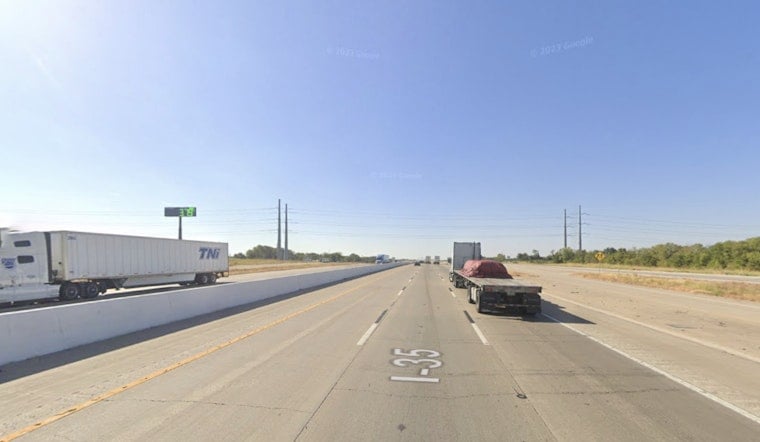
The Austin–San Antonio corridor is getting its own power broker. The Central Texas Alliance, a new coalition of civic, business and academic leaders, has launched to coordinate planning and advocacy across the fast-growing stretch of Central Texas. Co-chaired by Gary Farmer and Jenna Saucedo-Herrera and led by newly appointed CEO A.J. Rodriguez, the group says it will take on I-35 congestion, healthcare capacity, workforce development, housing, and water and energy resilience as the region keeps swelling. Founder Henry Cisneros is publicly backing the effort, and organizers say the Alliance will pull together leaders from more than 120 cities across a 13-county area to turn local priorities into coordinated state and federal policy.
The Austin–San Antonio corridor already includes about 5.3 million residents and, using census projections, could add roughly 3 million more people by 2050. Organizers say that kind of surge will strain housing, infrastructure and public services. The Alliance describes itself as a coalition of civic, business, economic development, academic and community leaders that represents more than 120 municipalities in a 13-county megaregion. It is modeled on established regional partnerships such as the North Texas Commission and the Greater Houston Partnership, as reported by the San Antonio Report.
Who's leading it
Gary Farmer, president of Heritage Title Company and a founder of Opportunity Austin, is serving as a co-chair, a sign that the effort has buy-in from long-standing Austin business circles. The Austin Business Journal reported Farmer’s role and framed the Alliance as an attempt to connect civic and business leaders across the Austin–San Antonio corridor rather than let each city fight its own battles.
What the Alliance Will Do
Organizers say A.J. Rodriguez, who is transitioning from his role at Texas 2036, will serve as the Alliance’s chief executive. Jenna Saucedo-Herrera, now head of corporate impact at USAA, will join Farmer as co-chair, and Henry Cisneros is listed as a founder. The Alliance has identified seven issue areas for its first work plan: transportation, water resources, housing, workforce development, energy resilience, healthcare, and land stewardship and planning.
Leaders say the organization will focus on collecting data and convening stakeholders, then using that information to advocate for the region at the state and federal level. It is not designed to operate as a chamber of commerce or a traditional economic development agency. The group will formally launch Sept. 18 at Texas State University–San Marcos, where organizers expect more than 100 leaders to attend and plan to form a board of directors afterward, as reported by the San Antonio Report.
Why it matters
Recent reporting and studies have underscored how rapid population growth along the I-35 corridor is creating both big opportunities and serious infrastructure headaches, from daily gridlock to mounting pressure on water supplies, housing, and power systems. Coverage by Texas Standard and other local outlets has tracked those challenges and the argument that a unified regional voice could help secure coordinated funding and policy solutions.
The Alliance’s first public test will be whether it can turn a sprawling list of local priorities into a tight set of legislative and funding requests that both Austin and San Antonio leaders can stand behind. The Sept. 18 launch will be the Alliance’s first high-visibility moment, and organizers and local officials will be watching closely to see whether the new group can move past planning talk and into tangible collaboration on the corridor’s toughest problems.




