

























































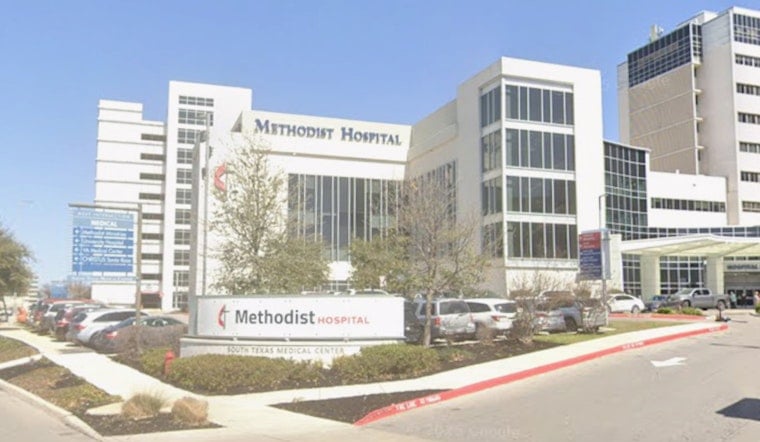
Methodist Hospital in San Antonio is hustling to keep up with a wave of CAR T-cell therapy for blood cancers while also jumping into trials that test the engineered immune treatment for autoimmune diseases such as lupus and multiple sclerosis. At the same time, local teams at UT San Antonio and the Southwest Research Institute are building sensor and automation tools that aim to shorten manufacturing times and chip away at the therapy's steep price. If those projects pan out, they could help unlock wider access to a one-time treatment that currently comes with a six-figure bill.
Local Center Adds Trials And Treats More Patients
The Sarah Cannon Transplant and Cellular Therapy program at Methodist Hospital has rapidly expanded its use of CAR T and is now involved in roughly 10 clinical trials that range from new cancer indications to early tests in autoimmune diseases. As reported by San Antonio Report, the center began offering CAR T as a standard treatment about five years ago and now sees patients from as far as El Paso, Lubbock and the Rio Grande Valley. According to Methodist Healthcare, the Sarah Cannon program lists open CAR T trials in San Antonio and provides both adult and pediatric transplant and cellular-therapy services.
Researchers Aim To Repurpose CAR T For Autoimmune Illnesses
Across the United States and abroad, scientists are testing CAR T strategies for autoimmune conditions and exploring multi-target CAR designs that could lower the odds of disease returning. A recent review of early clinical reports and engineering approaches lays out the major hurdles and opportunities for CAR T in autoimmune research; ScienceDirect summarizes work on potential targets and safety features. ClinicalTrials.gov also lists allogeneic, or “off-the-shelf,” CAR T studies that try to cut the weeks-long manufacturing wait by using donor-derived cells; one representative trial is detailed on ClinicalTrials.gov.
Local Labs Build Sensors To Speed Manufacturing
In San Antonio, researchers at UT San Antonio and the Southwest Research Institute are developing smart biosensor coatings and closed-loop monitoring systems to automate parts of CAR T production and reduce labor-heavy steps. SwRI's announcement quotes engineer Carlos M. Cantu saying the effort aims to "significantly reduce production costs," while UTSA notes that a grant is backing prototype work on temperature-responsive coatings and real-time cell characterization. Project details and funding are outlined by Southwest Research Institute and UT San Antonio.
Price Tag And Payer Rules Still Bite
Even with new engineering tricks, CAR T is still not cheap: analyses of list prices and hospital care put the total tab for a treatment in the high hundreds of thousands of dollars and, in some cases, approaching $1 million once inpatient care and monitoring are added. A review in JAMA Oncology and industry analyses describe the heavy non-drug expenses tied to manufacturing, hospitalization and managing complications. The Centers for Medicare & Medicaid Services covers autologous CAR T for FDA-approved uses when it is delivered in approved settings, a move that has broadened access for those indications, according to CMS.
What Patients Should Know
“CAR‑T therapy may help people with autoimmune diseases like lupus or multiple sclerosis,” Paul Shaughnessy, medical director of Methodist’s adult blood and marrow transplant program, told San Antonio Report. Experts emphasize, however, that the evidence is still early, and whether CAR T for autoimmune disease becomes a standard option will depend on safety, long-term durability and whether manufacturing can be sped up and priced for broader use. For now, San Antonio’s Sarah Cannon program is widening clinical access for cancer patients while also placing bets on research that could reshape how engineers and hospitals make and deliver these cells.





