

























































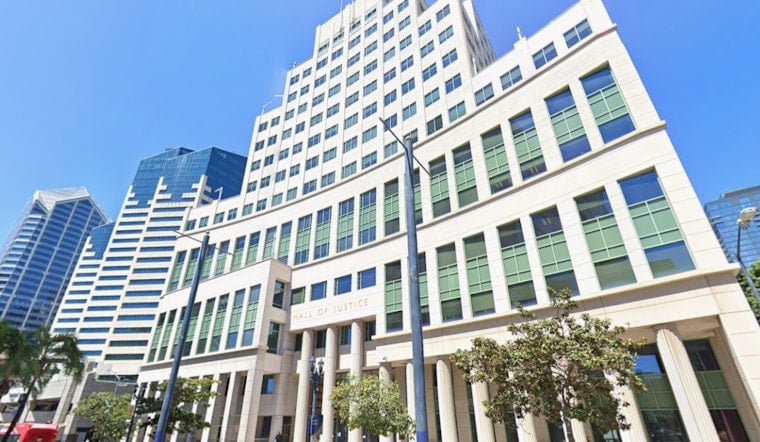
After a year in action across San Diego County, the Shelter Ready app is speeding up the race for an open bed. Outreach workers and shelter managers say what used to take hours or even days now often happens in minutes, which means people can move off the street and into emergency shelter a lot faster. Local officials say those quicker handoffs are already translating into more people getting inside.
What the App Does
Shelter Ready works a bit like a hotel-booking platform, but for emergency shelter beds. Outreach staff punch in brief, non-identifying client details, then filter for needs such as ADA access or pet-friendly space before reserving a bed that gets held for that person. As outlined on the Shelter Ready website, the system replaces paper waitlists and a tangle of phone calls with real-time bed inventory and automated notifications to shelter staff. The platform was developed by Caravan Studios (a division of TechSoup) and is funded and supported by the San Diego County District Attorney’s Office, according to the San Diego County District Attorney’s Office.
Early Results and Adoption
Since the countywide expansion last June, roughly 570 outreach organizations have signed up to use the app, and providers say the time it takes to place a client has been cut by more than half. District Attorney Summer Stephan told 10News that users report the app has “reduced what normally would take 40 hours a week to 15 hours a week.”
Leaders at San Diego Rescue Mission say the data are also revealing why people get turned away in the first place, information that can help shelter operators tweak policies and capacity, according to the San Diego Rescue Mission. Instead of just knowing beds are full, providers can see patterns in denials and try to respond.
Funding and Scaling
The district attorney’s office originally budgeted about $300,000 to build and pilot Shelter Ready, and reporting indicates roughly $162,000 of that initial allocation has been spent so far. As GovTech explains, the pilot was funded in part with asset-forfeiture dollars. The county’s recommended 2026–27 budget separately lists $600,000 to support the DA’s Shelter Ready effort as it scales countywide, according to the county budget summary.
Context: Homelessness Trends
The rollout is happening against the backdrop of a drop in visible homelessness. The Regional Task Force on Homelessness reports that unsheltered homelessness in the county fell about 11% in the latest Point-in-Time Count. The Regional Task Force and local outlets attribute that decrease to a blend of added shelter beds, diversion programs and tighter coordination among outreach teams, even as advocates warn that the number of people seeking help still outstrips the beds available.
What’s Next
Stephan has said the DA’s office plans to publish Shelter Ready data on a public dashboard during the app’s second year and is pushing for more cities and providers to sign on. Partners also hope to install kiosks in libraries and service centers so people can search for available shelter without needing a caseworker on hand.
County officials say the next phase will test a more complex question: whether the technology, combined with new funding, actually boosts the number of successful placements rather than just offering a clearer view of the existing crunch.
For outreach teams, the immediate impact is straightforward: fewer phone trees, more reliable matches and less time spent hunting for a bed. The bigger test will come over the next year, as public dashboards and added county investment are measured against the outcomes that matter most: more physical beds and faster exits from homelessness.



