

























































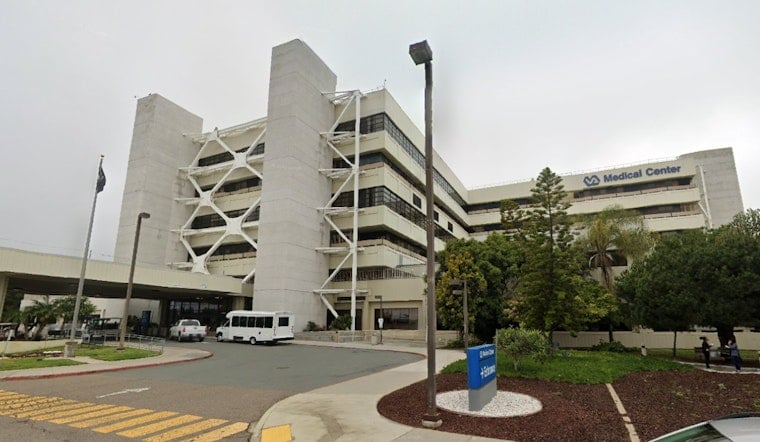
San Diego’s long-promised spinal cord injury center is finally built, but veterans will have to wait a little longer before patients move in. The $205 million, nearly 200,000-square-foot facility was handed over to the Department of Veterans Affairs this month after five years of construction and repeated delays.
The government accepted the building from its contractor on July 14, according to KPBS. VA San Diego Healthcare System spokesperson David Haas said the center is now expected to open to patients in early 2027, after crews addressed infrastructure and technical problems identified during construction and inspections.
That timeline is a significant retreat from the original schedule. The Army Corps of Engineers said in 2025 that the facility was nearing completion and was expected to open later that year, while earlier federal projections had pointed to fall 2024.
A New Home For Specialized Veteran Care
The center will replace the aging spinal cord injury facility at the Jennifer Moreno VA Medical Center and provide 50 patient beds, all in private rooms. Twenty beds are designated for long-term care, with a more residential layout intended to give veterans both privacy and opportunities to socialize.
The project also includes outpatient and therapy space, along with outdoor recreation areas that advocates say are badly needed. The U.S. Army Corps of Engineers described the project as a four-story, 197,000-square-foot building when the construction contract was awarded in 2021.
VA San Diego’s spinal cord injury program provides rehabilitation, nursing, physical and occupational therapy, social work, case management and follow-up care after patients return home, according to VA San Diego. That continuity matters across a wide region: the existing center serves roughly 850 veterans in Southern California, Arizona and Nevada.
Local advocates with the Paralyzed Veterans of America have pushed for a replacement center for roughly 16 years, KPBS reported. For veterans who rely on specialized care, the construction finish is an important milestone—but the real test arrives when the new building starts treating patients in 2027.



