

























































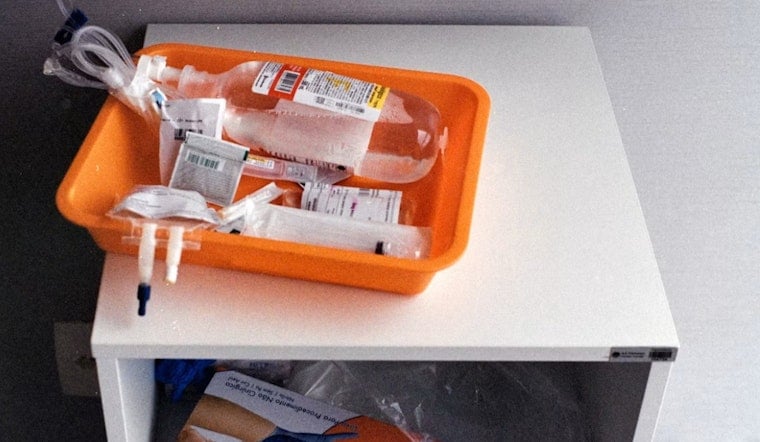
Ifosfamide, a workhorse chemotherapy drug that oncologists count on for testicular cancer, sarcomas and other potentially curable tumors, is running perilously low across the United States. The squeeze is forcing last-minute changes to treatment plans, from swapping drugs to stretching out or delaying cycles. In exam rooms and infusion suites, that translates to something no cancer doctor wants to do: choose which patients get the preferred regimen and which have to settle for a Plan B.
According to NBC News, ifosfamide is one of 22 cancer drugs currently listed in short supply nationwide, and doctors are scrambling to line up enough doses for patients already mid‑treatment. The reporting details cancer centers switching regimens, spacing doses and scouring for imports or alternative drug combinations to keep care on track.
Why supply crunched
At the heart of the shortage is a contract fill‑finish plant that supplies Baxter’s ifosfamide products, where quality and production problems have thrown a wrench into the pipeline. The U.S. Food and Drug Administration issued a warning letter after inspectors found repeated aseptic‑processing issues at the site. Across the Atlantic, the European Medicines Agency has cautioned that supplies could stay tight while the facility digs out from those problems. Other manufacturers have reported backorders as demand outruns what they can currently produce, which is how a single weak link turns into a nationwide bottleneck.
Hospitals are rationing and stretching supplies
On the ground, health systems are already in conservation mode, stretching every vial and prioritizing patients who are most likely to benefit. Some clinics are booking infusions back‑to‑back so they can use up partial vials instead of tossing what is left. Group‑purchasing data show that hospitals buying through Premier have had a far smaller share of their ifosfamide orders filled, which has triggered tough triage conversations among oncologists and pharmacists, according to Becker's Hospital Review. These tactics may be practical, but they complicate care for patients whose cancers depend on timely, standard‑of‑care chemotherapy.
Regulators look abroad for relief
Federal regulators are widening the search for relief. The FDA’s India office has asked industry groups to flag Indian manufacturers that might be able to supply ifosfamide, according to reporting that reviewed an industry note. North of the border, Canada’s regulator has approved temporary importation of an ifosfamide product authorized in China to ease its own shortage, a signal that emergency import routes are being tapped to bridge the gap.
What patients should know
If your treatment plan includes ifosfamide, it is worth calling your oncology team or infusion center to ask whether your regimen could change and what alternatives are on the table. Clinical guidance advises clinicians to review systemwide supply before starting combination regimens and to consult hematology and oncology specialists when considering substitutions. Pharmacists may be able to locate small allocations or suggest clinical trials that use comparable therapies. Centralized trackers such as Drugs.com list current availability and estimated recovery windows by brand and vial size.
Manufacturers and pharmacy tracking sites list staggered release dates depending on brand and presentation, with some products projected for late summer and others not expected back until October. That patchwork calendar means oncologists will likely keep juggling schedules, substitutions and hard conversations while regulators and drugmakers work to restore a steady supply line.





