

























































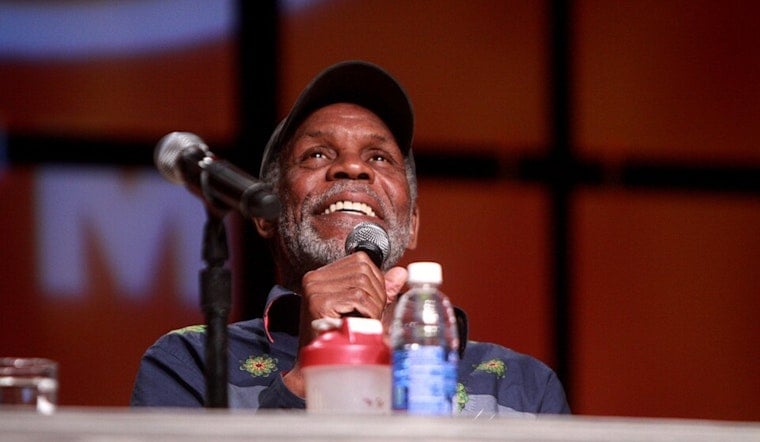
Danny Glover, the San Francisco-born actor who has long been part of the Bay Area’s cultural fabric, revealed Wednesday that he has been living with Alzheimer’s disease for several years. The 79-year-old told NBC’s Today that the diagnosis has already slowed his movement, speech and memory, and acknowledged that “things are going to be different” as the illness progresses. He said he wants to keep control of how his story is told as he approaches his 80th birthday on July 22.
Glover made the announcement in a taped interview with Lester Holt and in a conversation with People magazine. The Associated Press reports that he was diagnosed three years ago. As CBS News notes, he said he can “live with it, in a sense,” while being clear-eyed about the progressive nature of the disease and the importance of his family’s support.
Family Steps In And Opens Up
Glover’s daughter Mandisa told interviewers that it was important for him to have control of his own narrative, and relatives said they hope his openness will help reduce stigma around dementia. The Mercury News reports that the interview was filmed at his San Francisco home and included several family members on camera, turning the revelation into a family conversation rather than a solo confession.
From City College Kid To Hollywood Mainstay
A lifelong San Francisco resident, Glover studied economics at San Francisco State University and worked in city community development before turning to acting. He made his film debut in Escape From Alcatraz (1979) and broke through to global fame as Roger Murtaugh in the Lethal Weapon films, eventually amassing more than 170 film and television credits over a decades-long career. The Associated Press and other outlets note that he was honored with the Jean Hersholt Humanitarian Award at the Academy’s Governors Awards in 2022.
Alzheimer's By The Numbers
Alzheimer’s is the most common cause of dementia and affects millions of Americans. The Alzheimer's Association estimates that 7.4 million Americans age 65 and older are living with clinical Alzheimer’s dementia in 2026. The group also reports that older Black Americans are about twice as likely as older White Americans to have Alzheimer’s or other dementias, a disparity experts connect to long-standing health and social inequities.





.jpg)