

























































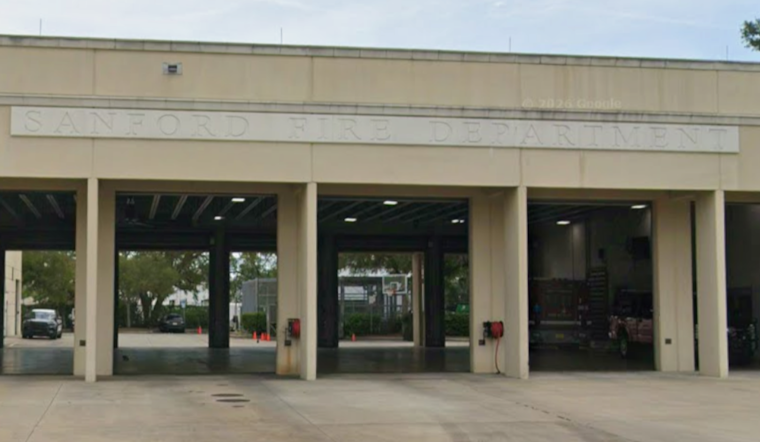
Sanford is once again circling the idea of a citywide fire assessment fee, with a statewide property tax amendment heading for the November 3 ballot that could strip millions out of the city’s budget. At a July 13 work session, city staff told commissioners they need direction now so legal studies and agreements can be ready to go if voters approve the tax change. Mayor Art Woodruff cautioned that without a new revenue stream for public safety, the city could face painful cuts.
City presentations to the commission estimate that the package known as CS/HJR 1-F could deal a serious blow to local revenue. A detailed rundown of how the proposal made its way to the ballot and how it would roll out is available on LegiScan, while Sanford’s own projections were summarized by WKMG ClickOrlando. Staff there said the amendment could cost Sanford about $6 million in fiscal 2028 and $9.3 million in 2029, a roughly $15.3 million hit over two years.
A fee with a short, rocky history
This is not Sanford’s first flirtation with a fire assessment fee. The idea surfaced in 2008, then again in 2025. After public hearings and a round of study materials in 2025, the city posted notice that commissioners had unanimously voted not to move forward that September. Local outlet Hoodline covered the original 2025 proposal when it was first introduced, chronicling how the concept stirred debate long before this latest budget crunch.
How a fire assessment would work here
Unlike a traditional property tax millage hike, a fire assessment is a parcel-level, non-ad valorem charge. It is calculated based on how a property is used and how big it is, rather than on its taxable value. Central Florida coverage of Sanford’s earlier attempts noted that prior proposals were modeled to raise roughly $2.3 to $2.5 million a year for fire capital needs, and that homeowners and businesses would feel the impact differently depending on their property type.
Reporting from WESH laid out example household bills and explained the city’s pitch: creating a dedicated capital funding stream for fire engines, rescue squads, and a possible fourth fire station. In other words, the money would be earmarked for big-ticket gear and infrastructure rather than day-to-day operations.
What city staff are asking for now
City Manager Norton N. Bonaparte Jr. and Finance Director Cynthia Lindsay told commissioners they are not asking them to adopt a fire assessment this week. Instead, they want permission to line up the technical pieces so the city can move quickly if the statewide amendment passes, WKMG ClickOrlando reported.
Even with earlier groundwork from 2025, they said a fresh assessment study would be required along with a tightly scheduled series of statutorily required mailings and public hearings before any fee could actually appear on a bill. In short, if commissioners want the option on the table after November, staff need to start the prep work now.
Legal steps and what residents should expect
According to the city’s public materials, state law requires several steps before a fire assessment can be adopted. That includes a formal study to justify the fee, mailed legal notices to every affected property owner, and public hearings where residents can weigh in. The 2025 presentation and community packet that walked through those requirements are still posted on the City of Sanford’s website.
The city has also outlined when and how notices will be mailed, and how property owners can submit comments or speak at hearings as the process moves forward. For residents, that means plenty of paper in the mailbox and multiple chances to sound off before anything becomes final.
For now, the immediate question is whether commissioners will give staff the green light to be ready the day after the November 3 vote. That choice will help determine whether Sanford leans on a dedicated fire assessment to plug looming budget gaps or instead carves deeper cuts and reshuffles priorities within an already tight spending plan.



