

























































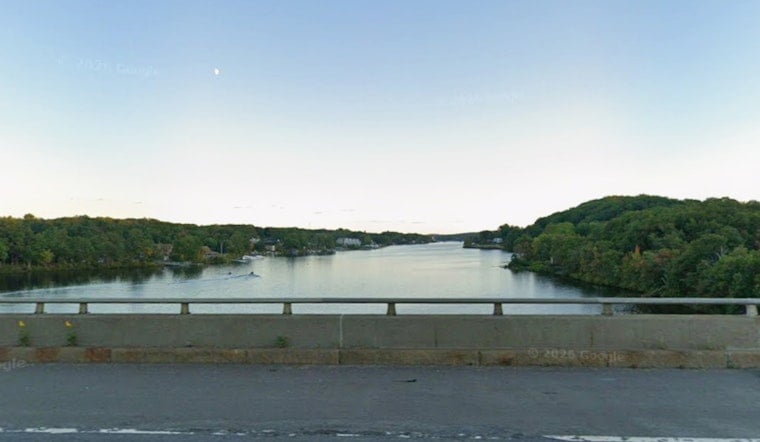
Worcester officials are urging residents to steer clear of part of Lake Quinsigamond after a sewer overflow Friday sent roughly 15,000 gallons of untreated wastewater onto a nearby street, with some of that mess slipping into storm drains that feed the lake. City crews cut off the flow within a couple of hours, but fishing and swimming in the immediate area are on hold while daily bacteria testing continues. Until E. coli levels are back in the acceptable range, people are being told to avoid direct contact with the water in the affected section of the lake.
Sewer overflow details
According to The Boston Globe, the overflow began around 5:20 a.m. Friday from an underground pipe near 23 Southwest Cutoff and was stopped at about 7:23 a.m. City officials told the paper that some of the wastewater reached the storm-sewer system that drains to Lake Quinsigamond via O'Hara Brook, near Whitla Drive and Ideal Road. Fishing and swimming in that immediate area are restricted until daily sampling shows bacteria levels have fallen.
What ‘acceptable’ means and health risks
City officials say they will keep sampling the water each day until results fall into the acceptable range for recreation. State public-health guidance sets a single-sample E. coli limit of 235 colony-forming units per 100 milliliters for freshwater bathing beaches, with a geometric-mean benchmark of 126, according to the Massachusetts public-health site. The agency notes that contact with water contaminated by sewage can lead to gastrointestinal, skin, and ear infections, and that anyone who becomes ill after exposure should seek medical advice. Pet owners are likewise being told to keep animals out of the water until testing clears the area.
Quinsigamond’s history with overflows
Lake Quinsigamond has seen worse. A pump-station failure in 2022 sent nearly six million gallons of untreated wastewater into the lake and resulted in a state settlement that required infrastructure fixes, as noted in industry reporting. City planning and water-quality documents describe repeated sanitary-sewer overflows and ongoing monitoring programs around the lake, with the city’s integrated water-resources plan offering additional background. That record helps explain why officials moved quickly this time to alert the public and start follow-up testing.
How to stay informed and what residents should do
For now, officials are advising people to stay out of the section of the lake that drains from O'Hara Brook, keep pets away from the water, and follow any posted restrictions at boat ramps and beaches. The Worcester Lakes & Ponds program and the city’s environmental pages provide monitoring updates and information on longer-term work at the lake, while state beach-monitoring guidance outlines testing standards. Residents with immediate questions or concerns can contact Worcester 311 for more details.





