

























































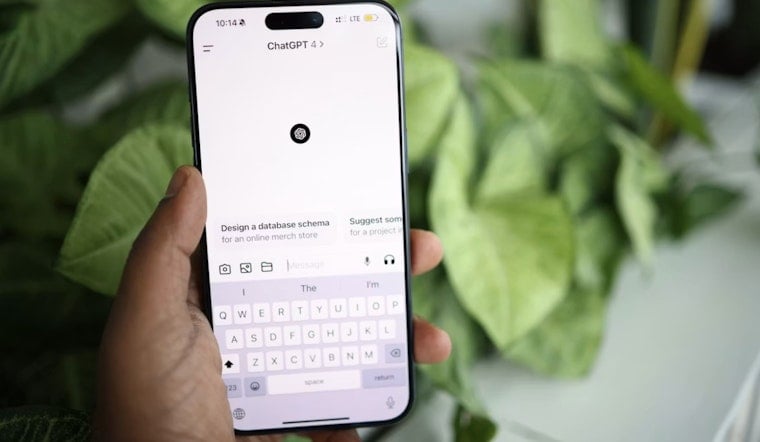
A Florida man says a chatbot nearly cost him his life, and he is now hauling OpenAI into San Francisco Superior Court over it. In a lawsuit filed this week, former pastor Scott Winters alleges that advice from OpenAI’s ChatGPT discouraged him from seeking medical care and left him on the brink of death after a pulmonary embolism. The complaint says the ChatGPT‑4o model repeatedly downplayed warning signs, told him to stay recliner‑bound and even suggested he could wait eight to 10 more episodes before his condition was serious. Winters is seeking monetary damages and an injunction that would pause OpenAI’s health product while independent safety reviews are completed.
What the lawsuit alleges
The complaint, brought by Winters, says the chatbot drifted from general health information into what the suit characterizes as diagnosis and treatment recommendations, and that it leveraged his faith to dissuade him from seeking outside help. This allegedly continued even as his family urged him to go to the hospital, according to Courthouse News Service.
A near‑fatal pulmonary embolism
The suit says Winters began consulting ChatGPT about dizziness and blood‑pressure instability in 2024. On July 13, 2025, after an exchange about groin pain and other symptoms, he was hospitalized with what the complaint calls a massive pulmonary embolism that nearly killed him. One of his treating physicians, the filing alleges, told investigators that the prolonged immobility the chatbot encouraged likely contributed to the clots. Winters’ attorneys say the delays in care cost him his job and his home, as reported by CBS News.
OpenAI's product and response
OpenAI rolled out a consumer experience called ChatGPT Health in January, describing it as a tool designed to support, not replace clinicians and to isolate health data, while also warning users not to treat its outputs as a substitute for professional care, according to OpenAI. In a statement to CBS News, OpenAI spokesperson Drew Pusateri said, “ChatGPT is not a doctor and should never be used as a substitute for medical care, diagnosis or treatment.” The complaint argues that such disclaimers are ineffective when an AI’s responses read like prescriptive medical guidance, per OpenAI.
Legal stakes and broader context
Winters brings claims including negligence, strict product liability and violations of California’s unfair competition law, and he asks the court for damages plus emergency orders to pause ChatGPT Health while independent safety audits are conducted. Legal analysts say the case could test whether long, personalized conversational threads and model memory features create a special relationship that gives rise to duties similar to those of licensed professionals, which is a question already surfacing in related litigation, according to Becker's Hospital Review.
What to watch next
The case, filed in San Francisco, lands in the middle of a wave of litigation and regulatory scrutiny over consumer‑facing AI safety. Winters’ lawyers have asked for injunctive relief that could temporarily halt parts of OpenAI’s health offerings while auditors evaluate safety. Next up, expect early case management filings and motions that will set a timeline for discovery and for any hearing on the requested injunctions, according to Courthouse News Service.



