

























































San Francisco is gearing up to yank Proposition M office allocations from developers who have let major downtown projects sit idle for years, a hard-line move that could free up scarce rights for builders who are actually ready to pour concrete. Planning Department officials say the shift is meant to unclog the tightly limited pool of office entitlements and speed up downtown's recovery.
Planning Department Moves To Enforce Prop M
In a memo to the Planning Commission, Planning Director Sarah Dennis Phillips laid out a tougher enforcement posture that would let the city revoke office allocations for projects showing little or no progress. Projects that promised community benefits would get up to 18 months to pull building permits or risk forfeiture, a use it or lose it approach reported by the San Francisco Chronicle.
Which Projects Could Lose Their Claims
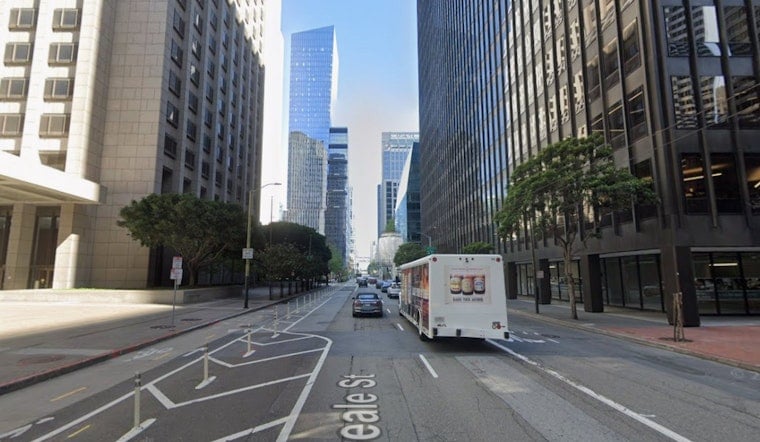
The policy would mostly hit Central SoMa and could also touch some marquee proposals in the Financial District, including Hines’s planned overhaul of the former PG&E block at 77 Beale Street and Lincoln Property Company’s planned redo of the Golden Gate University site at 536 Mission Street. Together, those two sites represent nearly 2 million square feet of potential office space, according to The Real Deal. City officials say they have been meeting with developers on long-stalled projects and warning that office entitlements will not be allowed to sit on ice indefinitely.
Why New Allocations Are Scarce
The Prop M pipeline has grown tighter since voters passed Prop E in 2020, which links the annual pool of office allocations to San Francisco’s affordable housing production. Last year, the city added under 100,000 square feet of new office rights, and Planning Department leadership projects that only 100,000 to 200,000 square feet will be added each year in the near term, according to the San Francisco Chronicle. With a much smaller pot of office rights to compete for, projects that remain stuck on paper carry much higher stakes.
How City Hall Frames It
The mayor’s office is casting the crackdown as part of a broader effort to revive downtown commerce and bring workers back to office towers. "Now that people want to spend time and invest in downtown, we can build offices that bring workers downtown," a Lurie spokesperson said in a statement, as reported by The Real Deal. Affordable housing advocates said the policy could help keep development more closely aligned with community needs.
What Happens Next
The Planning Commission will review the memo and could move to strip allocations from projects that have not shown meaningful progress. Officials say projects that include housing, especially those with affordable units, would be prioritized for the limited office rights that remain in play. For more background on how the office allocation system operates, see the Planning Department’s Office Development Annual Limitation Program at SF Planning.





