

























































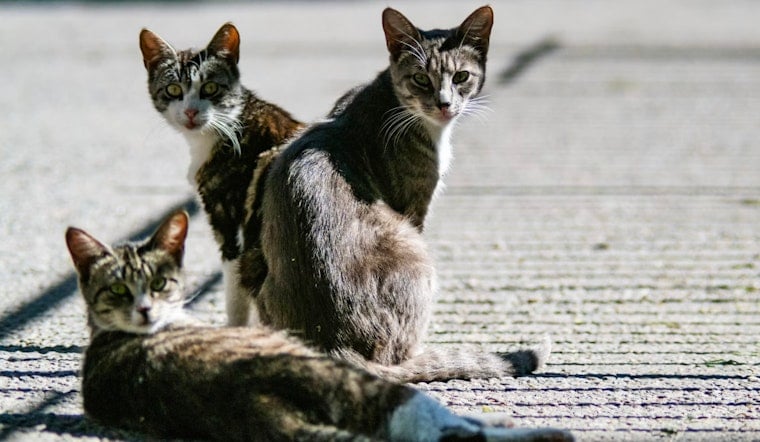
Veterinarians across South Florida are warning that a highly contagious cat virus once thought to be mostly a kitten problem is now sickening adult cats and, in some cases, killing them. Shelters and county animal control agencies have tightened quarantine rules, upgraded cleaning routines and expanded vaccination outreach as clinic teams scramble to contain new clusters. Pet owners are being urged to keep any sick cats separated from other animals and call their veterinarian right away.
Local veterinarians told WPBF that test results point to feline panleukopenia virus, also known as feline parvovirus, and that clinics in southern Palm Beach County have seen multiple severe cases. Dr. Kathleen Woodie told the station that some adult cats have died, and the Humane Society of St. Lucie County has reported both young and older cats getting sick. County animal care officials say they are taking extra steps to contain the virus and are asking owners to double check vaccine records and keep pets away from community cats.
How the virus affects cats
Feline panleukopenia targets rapidly dividing cells in the intestines and bone marrow and can cause severe vomiting, bloody diarrhea, loss of appetite, weight loss and profound lethargy, according to the Merck Veterinary Manual. Kittens remain at highest risk, but unvaccinated or immunocompromised adult cats can also become critically ill. Treatment focuses on intensive supportive care, and even survivors may need extended recovery time.
Why hand sanitizer isn't enough
Panleukopenia is a non-enveloped parvovirus that can linger in the environment for months and shrug off many common disinfectants, including alcohol-based hand sanitizers, the Association of Shelter Veterinarians advises. Effective cleanup generally calls for oxidizing disinfectants such as properly diluted household bleach, accelerated hydrogen peroxide or potassium peroxymonosulfate used at the right dilution and contact time. Shelters also recommend throwing out porous items and using separate equipment for exposed animals to cut down on spread through contaminated objects.
Vaccination remains the best defense
The core FVRCP vaccine, which protects against feline viral rhinotracheitis, calicivirus and panleukopenia, offers strong and long-lasting protection when used on the recommended schedule, according to VCA Animal Hospitals. Kittens receive boosters until about 16 to 20 weeks of age, and adults should get boosters as directed by their veterinarian. Outdoor cats and community colony cats are a priority for vaccination. Owners with a sick cat are advised to isolate the animal, call their clinic and avoid moving infected cats between homes or facilities.
How shelters are responding
Across Florida, shelters have limited cat admissions, quarantined exposed animals and intensified cleaning routines to keep the virus from ripping through already crowded facilities, a recent WFTV report found. Seminole County Animal Services quarantined more than 100 cats and shifted to a limited-admission policy while affected animals complete their isolation period. Shelters are asking the public to foster or adopt vaccinated, healthy cats to reduce crowding while they work through containment measures.
Veterinarians say fast isolation, current vaccinations and meticulous cleaning are the strongest tools available to slow the outbreak while clinics and shelters manage active cases. Anyone who finds a sick stray or notices vomiting, diarrhea or unusual lethargy in their own cat should contact a veterinarian or local animal control office for testing and guidance. With coordinated vaccination campaigns and strict sanitation, experts say communities have a real shot at reducing transmission and protecting the most vulnerable cats.





