

























































San Diego County public health officials said yesterday that routine blood donor screening has uncovered the county’s first confirmed locally acquired case of Chagas disease. The donor felt fine and had no symptoms, learning about the infection only because of standard testing on their donated blood.
County investigators report that since Chagas became a reportable disease in 2024, four infections have been confirmed, and this is the first one believed to have been acquired within the county. The infection was detected during routine blood donation screening and the donor remains asymptomatic, according to NBC 7 San Diego, which quoted county public-health officer Dr. Sayone Thihalilopavan as saying the case reminds us that this disease is not limited to Latin America. The San Diego Union-Tribune reported additional details and reaction from local experts.
How Chagas Spreads And Who Is At Risk
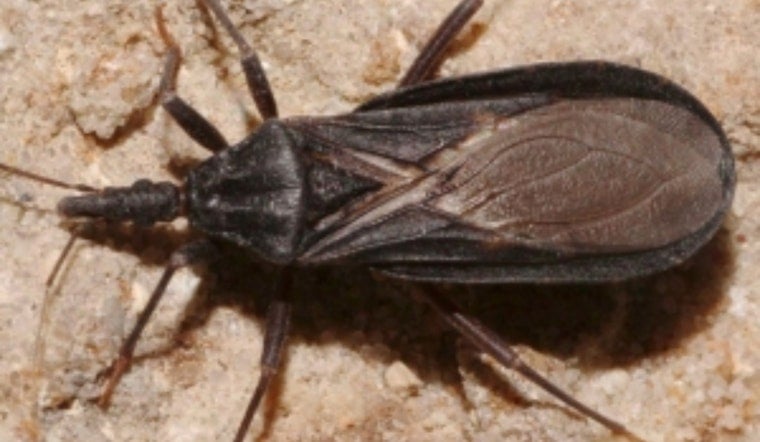
Chagas disease is caused by the parasite Trypanosoma cruzi and is most often spread when infected triatomine insects, commonly called "kissing bugs," defecate near a feeding site and their feces enter a bite wound or the eyes, nose, or mouth. In San Diego County, local kissing bug species tend to live in rodent nests and feed at night, so officials say activities like camping and other outdoor overnights can raise the chance of exposure. The county’s vector information page offers tips on recognizing these insects and safely reporting suspected kissing bugs to public health staff (County of San Diego).
Blood-Donor Screening And Treatment
Blood banks in the United States routinely screen donations for evidence of T. cruzi infection, so donor testing often doubles as an early warning system for silent cases. A 2022 case series of seropositive blood donors in the Southwest documented several likely locally acquired infections that were picked up only after donation testing, highlighting how screening can catch infections that might otherwise go unnoticed (Transfusion). According to clinical guidance from the Centers for Disease Control and Prevention, about 20 to 30 percent of people with chronic T. cruzi infection later develop cardiac or gastrointestinal complications, and the recommended antiparasitic drugs are benznidazole and nifurtimox. The federal guidance also spells out who should be offered treatment and what side effects clinicians need to monitor (CDC).
What Residents Should Know
The county advises that anyone who finds a suspected kissing bug should avoid handling it with bare hands, and instead, if it is safe to do so, photograph it or carefully contain it, then contact public health services for identification and testing advice. People who have lived in regions where Chagas is endemic, pregnant people, and anyone who is notified after a positive blood donor screening result should talk with their clinician about testing, according to county guidance (County of San Diego).
Health experts say this detection is a reminder that Chagas is not only an imported illness: federal data and recent analyses show T. cruzi and infected triatomine bugs are present in parts of the United States, and the Centers for Disease Control and Prevention estimates that roughly 280,000 people in the country may have undiagnosed infection. With warmer weather pushing more people outdoors, officials are urging residents to seal gaps around homes, clear away woodpiles, avoid handling insects, and contact public health authorities if they find a suspicious bug (CDC).



