

























































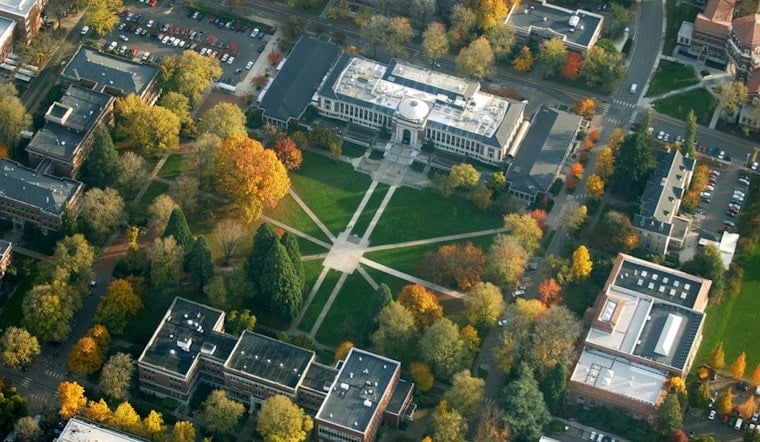
Oregon just scored a $15 million boost from the National Science Foundation to jump-start a ten-year push to rebuild and grow the state's semiconductor ecosystem. Oregon State University will administer the award through the FAST consortium, with organizers saying the money will back AI-driven chip research, tighter partnerships between startups and manufacturers, and new training pipelines across the Willamette Valley.
As reported by OregonLive, the initial NSF check could climb to roughly $160 million over ten years if the engine hits its milestones. The funding is intended to knit together entrepreneurs, investors, and established semiconductor companies, and the outlet noted that the award is the latest win for a region that has been chasing federal research and manufacturing dollars for years.
What FAST Will Pay For
Oregon State University and FAST say the grant will center on use-inspired research, workforce development with a strong emphasis on AI skills, and moving promising chip designs more quickly from lab bench to fabrication. According to Oregon State University, the consortium will coordinate training programs, expand remote-delivery semiconductor coursework, and help scale pilot projects into commercial deployments.
Who’s at the Table
FAST's coalition pulls in industry and academic players across the Cascades-Willamette corridor, with more than 90 members that include Intel, HP Inc., Siemens EDA, Analog Devices, and Tektronix. As outlined by FAST, the mix of large firms, community colleges, and universities is meant to connect design expertise with manufacturing capacity and investment capital.
State Context: Jobs and Wages
The new investment lands in the middle of a rough patch for Oregon chip workers. A June 2026 strategic assessment prepared for Business Oregon by the University of Oregon found semiconductor-related employment and wages fell sharply between late 2024 and late 2025, with about 5,273 jobs and roughly $450 million in aggregate wages lost during that period. The report notes that Washington County and Hillsboro still hold most of the state's semiconductor jobs, but warns the sector has been hit by steep volatility and rising competition from other states.
Short-Term Moves
State leaders have already started trying to plug the talent leak. In April, the Oregon Higher Education Coordinating Commission rolled out $8.5 million from a Semiconductor Talent Sustaining Fund to support FAST members’ workforce programs. Those awards, according to the HECC, are meant to build on-ramps into high-wage semiconductor careers through community-college training, K-12 pathways, and industry internships.
How the NSF Engine Works
The NSF's Regional Innovation Engines program typically gives winning regions an initial award of about $15 million for the first two years, with the potential for up to $160 million over a decade for teams that meet milestones and attract additional investment. That setup is designed to reward measurable progress and trigger follow-on public and private funding, as described by the National Science Foundation.
Voices From the Initiative
Local leaders are treating the award as a chance to regain momentum. Both were quoted in OregonLive. Pushkar Ranade said that "the next generation of breakthroughs will require continued investment across the full technology ecosystem, from research and workforce development to manufacturing." Rob Stone added that the award "is NSF’s recognition of the value in our region’s unique ability to lead."
FAST officials say the consortium plans to move quickly to launch pilot projects and workforce programs, then report milestones back to NSF as it pursues further funding and partner commitments. Oregon State University, as the lead institution, will oversee the award and coordinate the many partners. Organizers say timelines and specific pilot locations should be public in the weeks ahead, with local employers and schools expected to be involved.




