

























































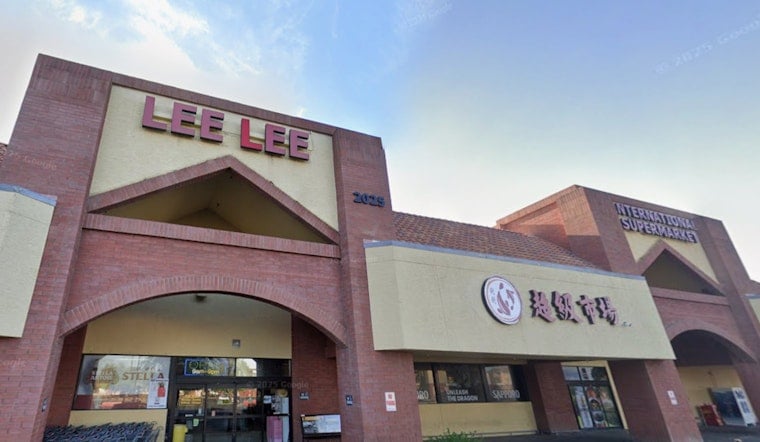
Moldy produce and past-its-prime refrigerated foods were still sitting on shelves at several Valley grocery and convenience stores when Maricopa County health inspectors showed up for routine checks the week of June 22. Inspectors told staff to throw out the spoiled goods and, in at least one case, pull equipment out of service, a reminder that basic temperature control and sanitation issues are not just a big-box problem.
According to The Arizona Republic, county teams inspected nearly 1,230 grocery stores, restaurants and other food-serving spots that week and cited four locations for seven priority food-safety violations. The businesses called out in the coverage were Lee Lee Oriental Supermart in Chandler, a Walgreens on North 19th Avenue in Phoenix, Sun Stop Liquors in Tempe and Carniceria La Constancia in Mesa.
County inspection records show Lee Lee Oriental Supermart was written up after a condenser leaked water onto boxed choy sum, leaving the greens coated in mold. Inspectors ordered the store to toss the spoiled produce, clean and repair the unit, and get it re-inspected before using that cooler again. The same records note the store kept tofu, bean sprouts and other refrigerated foods in a walk-in cooler that was running too warm, and that staff replaced an empty sanitizer container at a three-compartment sink in the produce cutting area. Those details are documented on the Maricopa County inspection portal.
At the Walgreens location, inspectors found a walk-in cooler that was not holding safe temperatures, so dairy and other refrigerated items were discarded and the store was told not to use that cooler until it was fixed. Sun Stop Liquors had cheesecake, macaroni salad and potato salad sitting in a cooler that also was not cold enough; staff told inspectors the food had been there less than two hours and moved it into a working refrigerator. Inspectors frequently noted that violations were "corrected at time of inspection," with workers shifting food into functioning equipment or adjusting sanitizer solutions during the visit, according to The Arizona Republic.
Why 'priority' violations matter
A "priority" violation is a serious problem that directly raises the risk of foodborne illness and can lead to reinspection, a formal citation or even a permit suspension if it is not fixed, according to county enforcement guidance. Regulators say repeated trouble with temperature control or cross-contamination often points to deeper training or equipment problems that need more than a quick on-the-spot adjustment. Watching a store's inspection history over time can help shoppers spot patterns that matter for food safety.
How to check a store's inspection record
Hoodline and other local outlets have been recapping the county's weekly inspection rounds and steering readers to the online records for full reports and inspector notes; see Hoodline's earlier roundup for context. If you ever spot spoiled food on a shelf, consider taking a photo and submitting a complaint through your local health department's online form so inspectors can follow up.





