

























































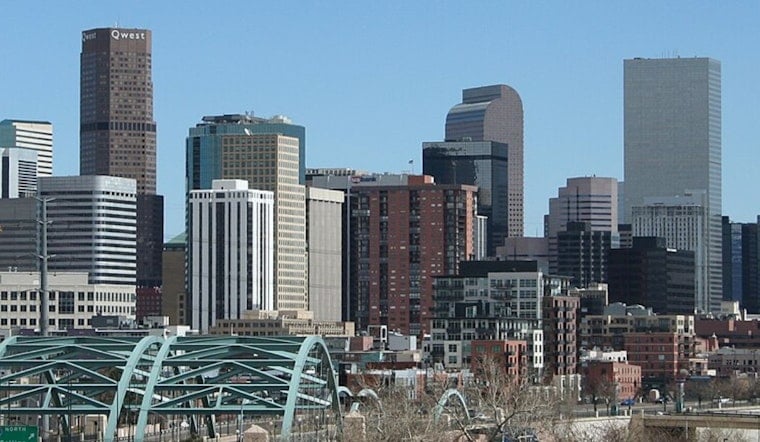
Denver woke up Sunday to a classic summer tease: clear blue above, light humidity, and temperatures hovering around 61°F at area stations, while a thin veil of haze lingered over parts of the Front Range. That hazy filter is not just for aesthetics, either. Patchy smoke is expected to drift in and out through the morning, even as sunny, hot afternoons send highs into the lower 90s. And this is just the warm-up act, with guidance pointing to a stronger heat surge by next weekend that could nudge readings into the upper 90s.
Afternoon Heat And Haze
Sunday’s high is expected to land near 93°F, with a light southeast breeze of about 2–9 mph and periods of patchy smoke mainly before early afternoon. The evening will not offer much relief: look for mild overnight lows in the low 60s as south winds pick up to around 5–13 mph and areas of smoke drift back in after about 9 p.m. According to the National Weather Service Denver/Boulder, Monday turns the dial even higher, with highs pushing toward the upper 90s.
Thunderstorms, Winds And Fire Risk
Later this week, the atmosphere may toss in a few scattered, high-based storms, with the best odds along the Front Range on Tuesday and Wednesday. These will be quick hitters rather than all-day soakers, but they can still pack a punch: brief heavy rain, sudden outflow gusts that could reach 30–40 mph near stronger cells, and in the mountains, dry lightning that keeps wildfire crews on edge. If you have plans in the foothills, keep an eye on the sky and be ready to pivot fast if storms pop.
What To Watch And Do
With heat and haze teaming up, it is a smart move to dial back strenuous outdoor activity during the hottest hours and shift workouts to cooler morning or evening windows, especially when smoke becomes noticeable. People in sensitive groups should stay inside if the haze thickens, and anyone heading into mountain areas should stay alert for sudden gusts or dry thunderstorm activity. For more background on the hazy start and early heat, see Hoodline coverage of this smoky sunrise and early heat breakdown, and check the National Weather Service for the latest warnings.





