

























































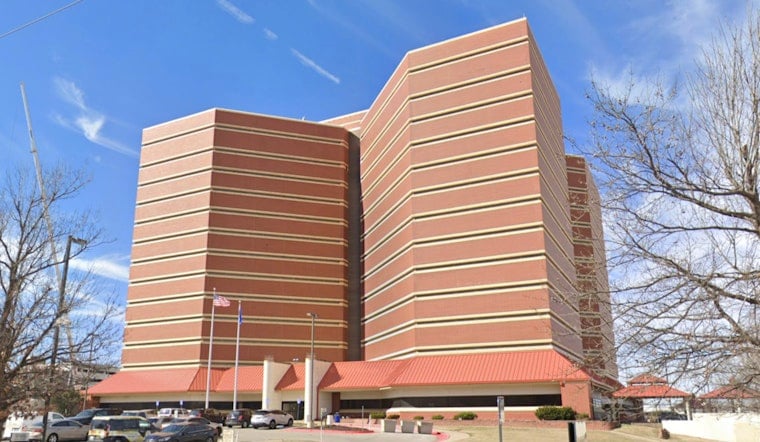
Fentanyl made it past security at the Oklahoma County Jail, and a detainee is now dead. A detention official has confirmed that investigators are probing the case after the synthetic opioid was reportedly smuggled into the downtown lockup, reigniting scrutiny over how such tiny, lethal doses slip through a facility that is supposed to be secure. The death is now in the hands of the Oklahoma County Criminal Investigations Division.
As reported by KFOR, News 4’s Lauren Henry walked viewers through an investigation that tracked fentanyl into the jail and tied the contraband to the detainee’s death. The station’s segment dug into how corrections staff, investigators and public-health experts are trying to reconstruct the drug’s path into the building and figure out who, if anyone, helped it along the way.
Inspections, staffing and a troubled lockup
State inspection records show the Oklahoma County Detention Center has flunked a dozen surprise health inspections since 2020, with auditors citing missed sight checks, sanitation issues and chronic staffing shortages, according to KOSU. Those operational failures have arrived alongside a higher number of in-custody deaths and mounting pressure from families and advocates who say the jail’s problems are not just bureaucratic, they are deadly.
How contraband gets inside
Investigative reporting in other states shows smugglers are not exactly short on creativity. They exploit multiple routes, including laced mail and legal-looking paperwork, visitors and corrupt staff, and they increasingly use drones to drop small but lethal packages into yards or near open windows, The Marshall Project found. Local coverage of prison systems also notes that mail scanners and body-screening technology have cut off some of those pipelines, but smugglers adapt quickly, NBC5 reported.
Statewide fentanyl trends
Public-health data from the Oklahoma Department of Health shows fentanyl-involved deaths surged between 2020 and 2023, climbing to nearly six times their earlier levels, before the state reported a decline in 2024. Even so, the agency says fentanyl was involved in 86% of opioid-related deaths in 2024. Those numbers help explain why even trace amounts of fentanyl inside a detention center can be catastrophic for inmates and hazardous for staff who come into contact with it.
Officials, prosecutors and what comes next
Jail administrators told inspectors they are rolling out operational fixes and “take these findings seriously,” according to the state inspection report, while county leaders continue to debate deeper structural reforms to oversight, a fight highlighted in coverage of a Tulsa law prof taking on Oklahoma jail deaths for grieving families. If investigators ultimately determine that someone supplied the opioid to a person inside the facility, prosecutors could seek distribution-resulting-in-death charges, an approach the Oklahoma Attorney General’s office has already used in a recent indictment.
Authorities have not yet released the detainee’s name or said whether criminal charges will follow while the Criminal Investigations Division continues its work. This story will be updated as court filings and official statements are made public.





