

























































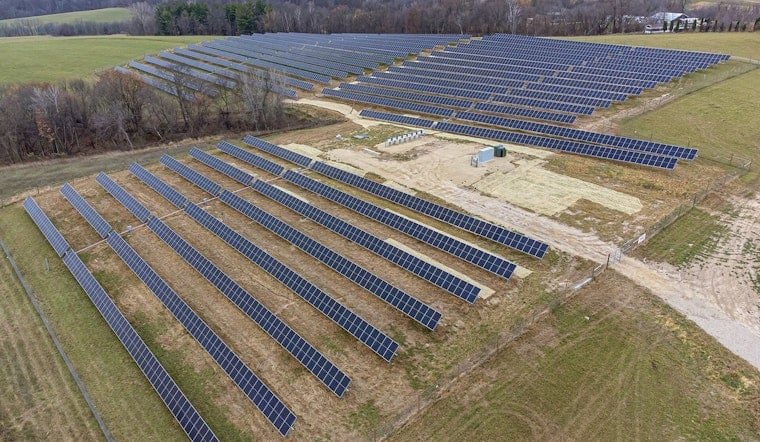
Tampa Electric is pressing ahead with a plan to cover hundreds of acres of Parrish farmland in solar panels, turning a working potato operation near the Hillsborough County line into a utility‑scale power plant called Harvest Sun. The project would swap rows of crops for rows of ground‑mounted solar arrays, plus new access roads and a compact substation, as part of the utility’s broader push to ramp up large solar sites over the next several years.
Local reporting and the land deal
According to the Tampa Bay Times, Tampa Electric plans to lease nearly 400 acres from a Parrish potato farm for the installation. The Times first surfaced the Harvest Sun name and highlighted the company’s local permitting moves, drawing fresh attention to the I‑75 corridor where farm fields and subdivisions now sit side by side. That coverage also pointed readers to Manatee County records and a regulatory filing that spell out the project’s footprint.
What the county paperwork shows
Manatee County’s weekly project list includes a site‑plan application for “Harvest Sun” on Alandco Road in Parrish and describes the proposal as a remotely operated public‑utility facility with solar array racks, inverters, semi‑impervious gravel access roads, a substation area and stormwater systems. The county document notes that designers intend to avoid impacts to wetlands and to ring the site with drought‑tolerant tree and shrub buffers. You can see the project listing and narrative in Manatee County.
Utility filing lists size and timetable
In Tampa Electric’s Ten‑Year Site Plan filed with the Florida Public Service Commission, Harvest Sun Solar is listed as a 74.5 MW‑ac single‑axis tracking project on a total site area of about 411 acres, with a planned commercial in‑service date in December 2027. The filing also records an expected capacity factor of roughly 27 percent and lays out estimated construction timing and cost metrics that feed into the utility’s broader system planning. For now, that regulatory document is the most detailed public source on the project’s technical scale and schedule.
How this fits into Parrish’s growth
Parrish is in the thick of a residential and retail building boom, which raises the stakes for how big tracts like the Harvest Sun site get used. The North River Ranch development and other master‑planned sections have already pushed new homes into areas that once grew crops. Against that backdrop, county staff and nearby residents are likely to weigh the solar proposal alongside pressure for more housing, commercial space and road upgrades along the corridor.
Permitting steps and what to expect
The Manatee County listing treats Harvest Sun as a site‑plan case subject to administrative review, which means detailed technical checks on stormwater design, buffers and wetland protections, along with formal engineering plans and drainage calculations. Those documents typically appear online as the review advances, giving neighbors and other stakeholders a chance to scrutinize proposed mitigation measures and construction timing. If Tampa Electric keeps to the Ten‑Year Site Plan schedule, the project would face months of county processing before any ground is broken, plus additional state or federal steps tied to grid interconnection and transmission.
Farms, mitigation and co‑location options
Large solar projects can increase local renewable generation and reduce dependence on fossil fuels, but they also put new pressure on working farms and habitat. The AgriSolar Clearinghouse at NCAT outlines approaches such as pollinator‑friendly plantings, managed grazing and crop‑compatible underplantings that communities sometimes seek when agricultural land makes way for utility‑scale solar. Those kinds of co‑location and mitigation ideas are likely to show up in public comments as Harvest Sun moves through county and regulatory review, with residents trying to balance clean‑energy gains against the loss of active fields.



