

























































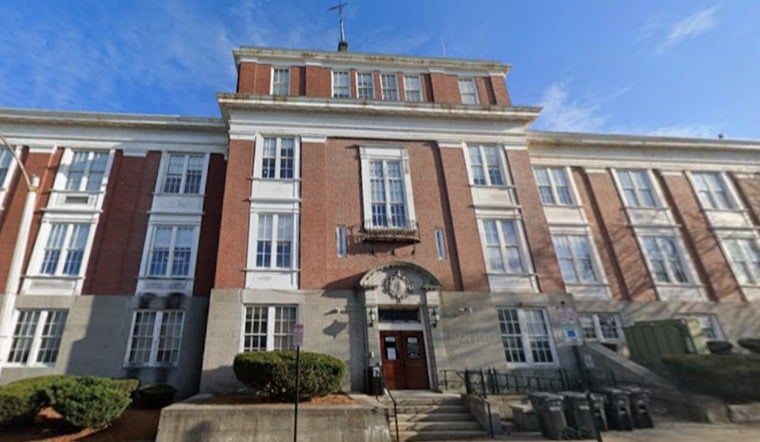
Somerville is officially joining the bodycam era. In a special City Council meeting this week, local leaders signed off on a new police body-worn camera policy and voted to accept a $231,635 state grant to buy the gear, locking in funding that has a firm use-it-or-lose-it deadline of Aug. 31, 2026. The policy sets the ground rules for when cameras roll, how footage is stored and who can ask to see it, as the city gears up for a phased rollout.
Council moves to lock in state funding
Mayor Jake Wilson convened the special virtual meeting and public hearing so councilors could decide whether to accept the Law Enforcement Body-Worn Camera grant, a move that had been previewed in local coverage by Patch. The City says it secured a $231,635 award and must purchase and receive the equipment by Aug. 31, 2026, to keep the money, according to the City of Somerville. Councilors told the mayor they wanted to hear from residents before committing, so the hearing was set up to gather feedback ahead of the funding deadline.
What the policy allows and restricts
The city's detailed rules, laid out in its Surveillance Technology Impact Report, require officers to activate cameras during police-public contacts and to download footage at the end of each shift under department procedures. The report says officers "will be allowed access to recordings before completing their written reports" in most cases, but it also carves out a major exception: if an officer uses deadly force that results in a fatality, that officer may not view the footage without approval from the Middlesex District Attorney's Office. The policy also outlines how long recordings are kept, how the chain of custody is protected and how members of the public can seek access through a formal records request process.
Residents press for stronger safeguards
The vote came after 89 community members signed a petition demanding a public hearing, a push that succeeded in drawing multiple speakers to Monday's session, Patch reported. Many of those speakers did not oppose cameras outright but pushed for tighter guardrails, calling for stricter limits on filming inside private homes, shorter retention periods for routine footage and a civilian oversight board that could help decide who gets to see sensitive recordings.
How the debate ties to earlier council work
City Council records from 2022 show this fight has been simmering for years. Members and advocates repeatedly cited ACLU guidance and argued for a "write, then review" rule that would keep officers from watching footage before drafting reports, along with independent oversight, before approving a full rollout. Those earlier filings floated delaying funding or implementation until officials and residents were satisfied with privacy protections and oversight structures, a tension city leaders tried to address in the version of the policy adopted this week.
Legal and public-records rules
Under Massachusetts law, body-camera footage is generally treated as a public record, with some carve-outs, as set out in M.G.L. c.66, §10. The statute and the city's own rules allow limited exemptions, including for active investigations or safety risks. Somerville says requests will run through its Law Department, which means any disputes over withheld footage could end up before the state supervisor of public records or in court if a requester decides to challenge an exemption.
With the grant now accepted, city officials say the next steps are procurement and training, while councilors and community groups keep an eye on how the program is rolled out. The timeline, upcoming hearings and live streams were outlined by NBC Boston. Residents who want to follow along or weigh in can find meeting materials, sign-up links and future agendas on the city's website as the focus shifts from policy on paper to how bodycams work in day-to-day practice.




