

























































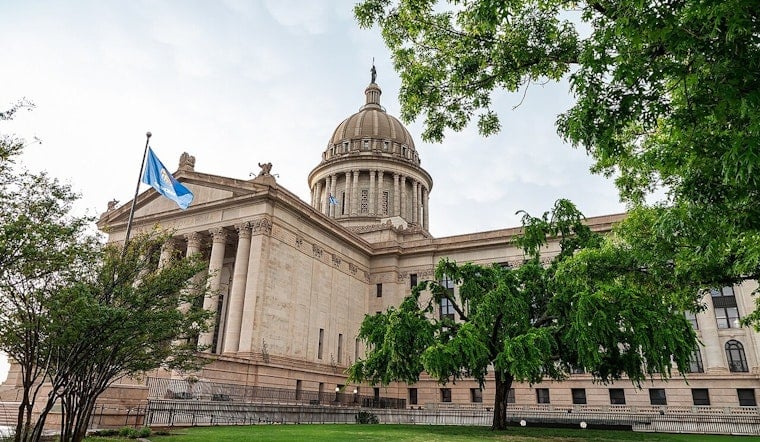
Oklahoma voters are getting more than a typical runoff in August 2026. Sitting on that ballot is State Question 846, a proposed constitutional amendment that would cement a voter ID requirement into the state’s founding document and leave it to future lawmakers to spell out which IDs actually count.
Backers say the measure will boost confidence in elections and keep Oklahoma’s current system strong. Critics see a different picture, warning that the change could lock in rules that are harder to challenge, especially for marginalized communities.
What the amendment would do
State Question 846 began its life at the Capitol as Senate Joint Resolution 47. The resolution would add a new section to the Oklahoma Constitution requiring every voter to present proof of identity before casting a ballot and calling a special election for Aug. 25, 2026, according to the Oklahoma Legislature. Lawmakers in both chambers approved the measure and filed it with the Secretary of State so it appears on the August runoff ballot.
Importantly, the proposal does not spell out exactly which documents count as valid ID. Instead, it locks the requirement itself into the constitution while leaving the details to regular state law, which the Legislature can adjust later.
Supporters' pitch
Republican legislators who pushed SQ 846 say it is about shoring up trust in elections and making sure voters, not just politicians, have the last word on voter ID rules. On the House floor, Rep. Eric Roberts told colleagues, "We're going to set it in stone with this state question." House Speaker Kyle Hilbert added that Oklahoma has "one of the strongest election systems in the United States," as reported by KGOU.
Supporters also note that a majority of states already require some form of voter identification at the polls, according to the National Conference of State Legislatures.
Opponents' concerns and the timing
Opponents argue the amendment is both unnecessary and potentially risky. They point out that Oklahoma already has a voter ID law on the books, so they see little need to write a similar requirement into the constitution.
Critics are especially wary of the power the amendment gives future legislatures over what counts as valid identification. Because lawmakers would be free to redefine acceptable ID through statute, opponents worry those rules could become stricter over time. "It's going to make it harder for marginalized communities to fight in the courts," Rep. Andy Fugate said, according to KGOU, which reported that critics fear court challenges would be more difficult once voter ID is embedded in the constitution.
Then there is the calendar. Sending SQ 846 to the August runoff ballot, which typically sees lower and more partisan turnout than a November general election, has raised eyebrows among opponents. They suggest the timing could tilt the playing field in favor of the amendment. As of early July, KGOU also noted that no official state question committee had registered with the Oklahoma Ethics Commission to either support or oppose SQ 846.
How the law would (and would not) change voting
If SQ 846 passes, Oklahomans will not see an immediate change at the check-in table at their polling places. The state’s current voter identification rules are already in place because of State Question 746, which voters approved in November 2010 and which took effect in July 2011, according to the State Election Board.
Under Senate Joint Resolution 47, the Legislature would continue to decide which documents qualify as valid ID. The existing list in state law would remain in effect unless lawmakers change it later. The amendment’s main impact would be to move the basic voter ID requirement from statute into the constitution, where it is harder to undo.
Voter logistics and key dates
All registered Oklahoma voters can weigh in on legislatively referred state questions, regardless of party affiliation. That means anyone on the rolls can vote on SQ 846 during the Aug. 25, 2026 runoff.
The deadline to register to vote for that election is Friday, July 31, at 5 p.m. Voters can check sample ballots, confirm polling locations, and use other tools on the OK Voter Portal, according to the State Election Board.
What to watch next
Legislatively referred state questions often attract serious money and organized campaigns, but that activity can ramp up later in the election cycle. Anyone tracking how SQ 846 shapes up politically can keep an eye on the Oklahoma Ethics Commission’s Guardian portal, where committees must register and file campaign finance reports.
As those committees form and new reports go public, expect more clarity on who is spending to convince voters that voter ID should, or should not, be written into the state’s constitution. Coverage will be updated as new filings appear on the Guardian site.





