

























































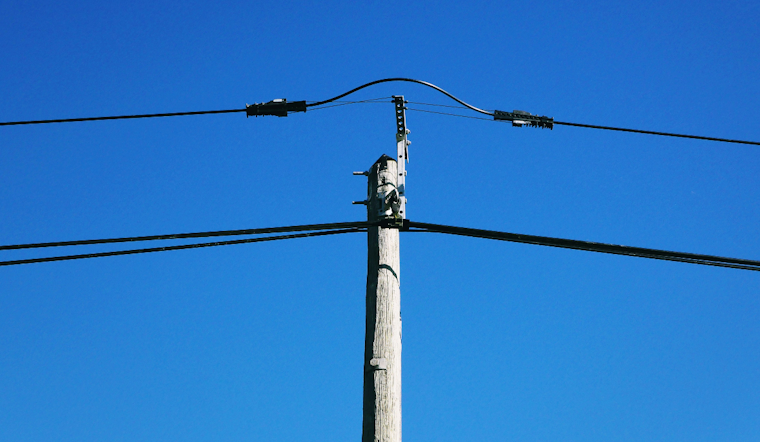
On Dutch Hill Road in South Fayette Township, neighbors say a single utility pole turned their quiet, wooded street into a grim scene. For years, they report finding clusters of dead birds beneath that one pole, from small songbirds to hawks, some with singed feathers and sometimes entire family groups lying together. After they pushed the local power company and got a TV station involved, crews finally moved in. Within days of the station’s inquiry, workers inspected the pole and carried out overnight repairs that residents hope will put an end to the unsettling pattern.
Residents told investigators they had come across “two to three dozen” dead birds over the years and said their earlier pleas for help went nowhere until they contacted the station. Once the station reached out, West Penn Power sent workers to examine the pole and then dispatched repair crews. The utility told reporters that crews installed bird-and-squirrel guards, swapped out an older porcelain-style lightning arrestor for a newer polymer model, and added a covered jumper wire designed to cut down on wildlife contact while also boosting reliability. Neighbors watched as crews worked late into the night and said they were relieved to finally see something change, according to CBS Pittsburgh.
Why Poles Can Be Deadly And How Utilities Fix Them
Birds can be electrocuted when their bodies bridge the gap between two energized parts of a pole or between an energized part and something that is grounded. That is why utilities and conservation groups recommend insulating or shielding exposed equipment wherever birds are likely to perch. Guidance from the Avian Power Line Interaction Committee lays out a menu of retrofit options, including guards and insulated covers for exposed connections, that can cut both bird deaths and power outages. For more detail, see the Avian Power Line Interaction Committee.
At the same time, researchers caution that any bird carcasses found under power lines are not automatically electrocution victims. A recent review of carcasses collected near power lines found that a substantial share showed evidence of having been shot, which underscores why investigators say the cause of death needs to be confirmed rather than assumed. For that forensic work, see iScience.
Neighbors Relieved But Keeping Watch
After the pole was retrofitted, residents said they felt a wave of relief, but they are not letting their guard down. The wildlife, they note, is a big part of what drew them to Dutch Hill Road in the first place. One neighbor told the station, “You get used to them... it’s just like an old friend,” describing how the neighborhood birds have become part of daily life. The changes on the pole appear to address the specific hardware that neighbors believed was to blame, and residents say they plan to report any future dead birds so the company can follow up, according to CBS Pittsburgh.
If You Find Dead Or Injured Birds
Wildlife experts advise against handling sick or dead wild birds with bare hands. They recommend using disposable gloves if you must move a bird and otherwise contacting a licensed wildlife rehabilitator, a local game or conservation office, or a public health agency if you see multiple carcasses or suspect disease. The Cornell Lab of Ornithology suggests calling a rehabilitator for any injured bird that might be saved and, in possible disease situations, notifying local health officials or the National Wildlife Health Center so specimens can be collected and tested.
If you do find fresh bird carcasses under a pole, taking clear photos and noting the exact location can help investigators figure out what happened and whether additional mitigation is needed. For more detailed advice, see the Cornell Lab of Ornithology.



