

























































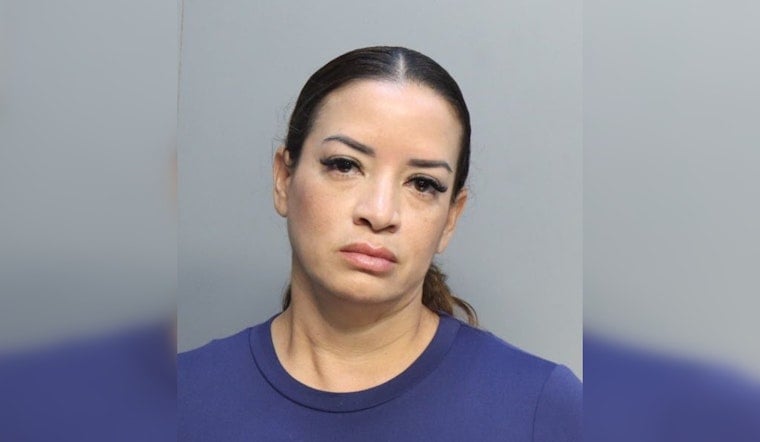
A 49-year-old South Miami woman surrendered to authorities Friday after detectives say she turned a single-family house into an unlicensed post-surgery recovery home and tossed medical waste into regular city trash bins. Investigators, armed with a search warrant, say they walked into the property and found people recovering from surgery inside along with employees caring for them.
At 6174 SW 64th Terrace, detectives report finding six post-operative patients and three employees who told investigators they were helping with bathing, dressing, toileting and medication management. According to the arrest report, patients were paying between $300 and $350 per night, while employees were working 24-hour shifts for about $10 to $18 an hour, often paid through Zelle.
A records check with the Florida Agency for Health Care Administration showed the home was not licensed to operate as an assisted-living facility. Detectives say they also found improperly discarded biohazardous medical waste both inside the home and in unlocked green City of South Miami garbage bins left at the curb, hardly where you want post-op leftovers sitting. Those details are laid out in the arrest report, as reported by WPLG Local 10.
Investigators And Lawmakers Say It Fits A Troubling Pattern
Authorities and local news investigations have been tracking a rise in pop-up recovery houses across Miami-Dade that offer post-op care outside state oversight. NBC6 has reported on investigations and a proposed state bill aimed at spelling out specific rules for post-surgical recovery homes. Recent local coverage, including Hoodline’s report on an April bust at a home called “Snatched N Curved,” shows law enforcement is still chasing similar setups around the county.
Together, those cases have become Exhibit A for why some lawmakers and investigators say they want clearer rules and sharper enforcement around who can run recovery facilities and how they operate.
Charges, Bond And What Happens Next
Prosecutors say the owner, Ilse Johanna Guevara, is facing charges that include operating an assisted-living facility without a license, violating Florida’s litter law, hazardous-waste violations, nuisances injurious to health and failing to track biomedical waste. Guevara surrendered at the Turner Guilford Knight Correctional Center and was held on a bond reported as $7,800, according to the arrest report.
The Miami-Dade investigation remains active as authorities continue reviewing the case and the waste disposal issues flagged in the report. For now, the house that doubled as a recovery stopover is also a crime scene and a regulatory cautionary tale, according to WPLG Local 10.
Why Improper Medical Waste Disposal Matters
Regulated medical waste and materials contaminated with blood or other bodily fluids have to be handled and discarded under strict rules because they can expose sanitation workers and the public to bloodborne pathogens and other infection risks. Federal guidance on infection control and OSHA’s Bloodborne Pathogens standard lay out how licensed providers must handle, label and dispose of this material.
For more on those requirements, see guidance from the CDC and the Occupational Safety and Health Administration.
The South Miami case is the latest in a string of enforcement actions that highlight both patient-safety and public-health concerns around informal recovery setups. Anyone who has booked post-operative care at a private recovery house, or who suspects an unlicensed operation is running in their neighborhood, can search licensing and inspection records through AHCA’s FloridaHealthFinder and should report tips to local law enforcement so investigators can follow up.



