

























































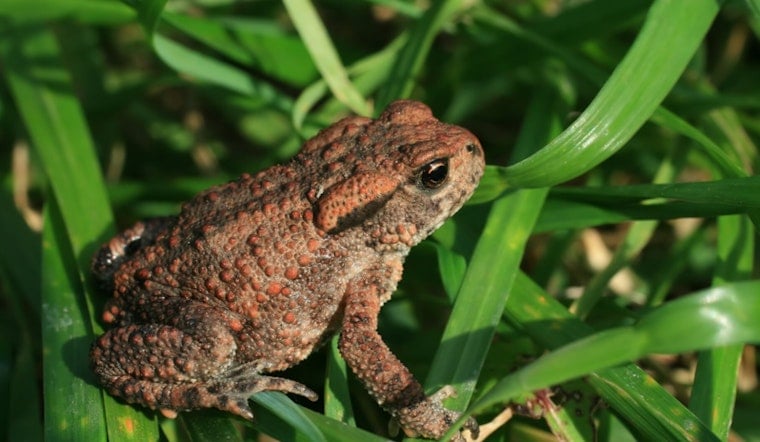
A South Tampa dog owner is sounding the alarm after a startling close call with an invasive Bufo toad left them rattled and worried for neighborhood pets. The owner shared the encounter online, urging neighbors to comb through their yards, keep an eye out after dark, and bring pet food inside so it does not lure in unwanted amphibian visitors. Area veterinarians caution that even a brief chomp or lick on one of these toads can make a pet dangerously sick.
According to FOX 13 Tampa Bay, the dog owner spotted the toad in a South Tampa yard and posted a short video and warning to the neighborhood on July 21. The station’s report shares the owner’s account and underscores that this is not just a one-yard problem but a growing concern for pet owners across the region.
What Bufo (cane) toads are
The Bufo, or cane toad (Rhinella marina), is a large, nonnative amphibian that has taken hold across much of central and southern Florida. As UF/IFAS notes, adults can grow to six to nine inches long and are commonly spotted in residential yards, canals, ponds, and other damp hangouts. The oversized glands behind their eyes secrete a milky substance called bufotoxin, which can poison animals that bite or mouth the toads.
How the toxin affects pets
When a dog or cat mouths or bites a cane toad, the bufotoxin can be absorbed quickly through the mouth and mucous membranes. That can trigger drooling or foaming at the mouth, red or brick-colored gums, confusion or disorientation, seizures, and in some cases cardiac arrest. The Pet Poison Helpline warns that serious symptoms can appear within minutes, so immediate first aid and prompt veterinary care are critical.
Immediate steps if your pet is exposed
The Florida Fish and Wildlife Conservation Commission advises pet owners to start rinsing the toxins out of the animal’s mouth right away, using a hose to flush water forward out of the mouth for about ten minutes, then wiping the gums and heading straight to a veterinarian. UF/IFAS offers similar instructions and in some guidance suggests rinsing for up to 15 minutes. Both stress that every minute counts once a pet has had contact with a cane toad.
How to reduce the risk
Veterinarians around Tampa Bay recommend supervising pets when they are outside, especially at night, keeping evening potty breaks on a short leash, and bringing food and water bowls indoors after dusk so they do not attract toads. A regional emergency clinic guide also suggests trimming thick undergrowth, filling in low spots that collect standing water, and calling your veterinarian right away if your pet shows any suspicious symptoms, according to Community Animal Hospitals.
If you see a cane toad, officials say you should not move it from one neighborhood to another. The Florida Fish and Wildlife Conservation Commission notes that captured cane toads are not allowed to be relocated and that homeowners can hire a nuisance wildlife trapper for removal. Reporting sightings and following expert removal guidance helps researchers and wildlife managers keep tabs on the invader and reduce the threat to pets and native wildlife, the FWC says.



