

























































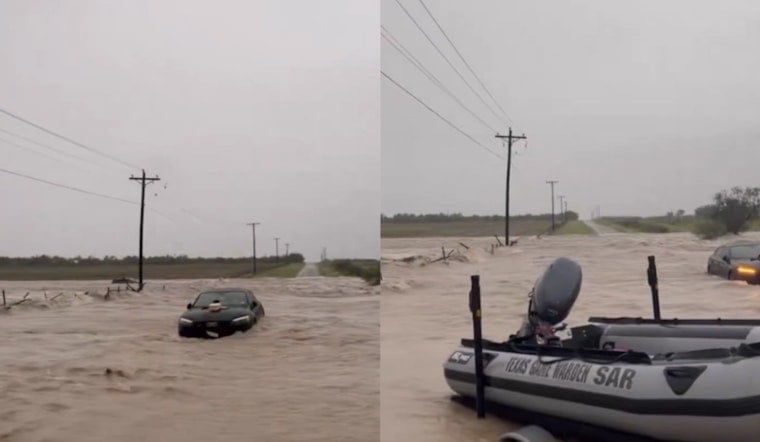
Rising rivers and flooded low‑water crossings turned parts of South Texas into hazardous terrain on Tuesday, as Texas Game Wardens scrambled to answer multiple swiftwater rescue calls triggered by heavy storms. The agency warned that fast‑moving water had overtaken rural roads and pleaded with residents to stay off flooded routes, noting that in at least one South Texas county, occupants were pulled from vehicles shortly before their cars were swept downstream.
We will continue to respond to calls and work with our emergency management partners to protect Texans. But we need YOUR help.
— Texas Game Wardens (@TexasGameWarden) July 14, 2026
▪️Stay informed by monitoring local forecasts.
▪️Follow instructions from local officials.
▪️NEVER drive through flooded roadways.
(2/2)
Wardens Urge Drivers To Quit Testing Flooded Roads
In a post on X, the Texas Game Wardens said they were juggling multiple swiftwater rescues and made a straightforward ask of Texans: watch the weather, listen to local officials and stay out of high water. The message, shared by Texas Game Wardens, drew replies that highlighted a recent close call near Sabinal in Uvalde County, where occupants were rescued shortly before a vehicle was carried away by floodwaters.
Flood Alerts, Fast Water And State Rescue Teams
The National Weather Service flagged flash‑flood watches and warnings for parts of south‑central Texas as storms moved across the region, cautioning that low‑lying areas could see dangerous, fast‑moving water. For detailed local forecasts and active advisories, residents can check the NWS Austin/San Antonio page.
The Texas Parks and Wildlife Department recently outlined how its wardens are being deployed in a July 13 news release detailing the agency’s swiftwater teams and aviation assets. In that update, TPWD emphasized that game wardens are often among the first responders called when water rescues are needed.
State and transportation officials keep coming back to one simple rule that consistently saves lives: Turn Around, Don’t Drown. Drivers can stay ahead of trouble by checking DriveTexas for real‑time road closures and conditions and signing up for emergency alerts through local county or city channels. If you see someone in immediate danger in fast water, call 911 and leave the rescue work to trained responders.





