

























































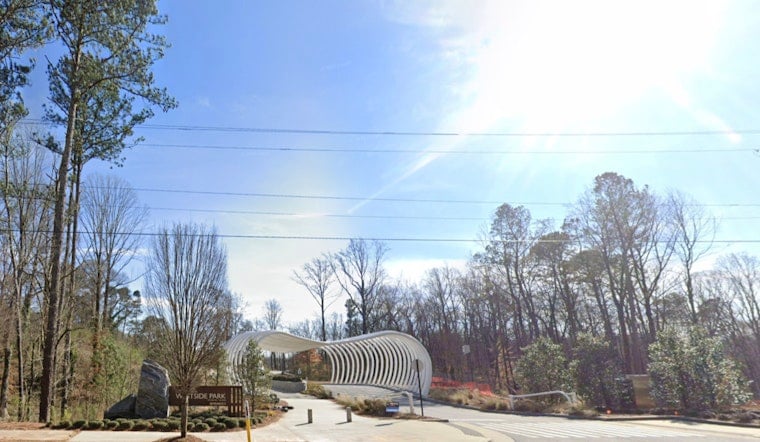
Atlanta just scored some serious bragging rights, landing in the top five in a national ranking of big-city recreation options and finishing fourth among the 100 largest U.S. cities. The showing highlights how the city’s pool-heavy, parks-focused spending stacks up against tourism magnets like Las Vegas and Orlando, even as gaps remain in neighborhood-level access and park acreage. With July marking National Parks and Recreation Month, the ranking arrives as a timely check-in on where Atlantans can cool off, play and find free or low-cost ways to get outside close to home.
According to WalletHub, the personal-finance site slotted Atlanta at No. 4 overall in its 2026 Best & Worst Cities for Recreation analysis, behind Las Vegas, Orlando and Cincinnati. The study compared the 100 largest U.S. cities using 47 metrics, looking at everything from the number of music venues and tennis courts to park quality, weather and the out-of-pocket costs tied to getting out and about.
As reported by Urbanize Atlanta, Atlanta came out particularly strong on public investment measures. WalletHub flagged the city as No. 1 for parks-and-recreation spending per capita and No. 1 for swimming pools per capita, a result local coverage has cast as the payoff from years of targeted park and pool funding.
Where ATL Shined And Where It Did Not
WalletHub's breakdown shows Atlanta finished No. 1 for parks-and-recreation spending per resident and for swimming pools per capita, No. 4 for tennis courts per capita and No. 12 for music venues per capita, while landing in the low 30s for the share of residents with walkable park access. Those splits help explain how a city loaded with amenities can still leave some parts of town short on easily walkable green space. WalletHub has posted the full methodology and city-by-city tables for readers who want to dig into the fine print.
ParkScore Shows Investment Is Real
The Trust for Public Land’s ParkScore index, which focuses on overall park-system performance, adds more context. TPL ranked Atlanta 18th and reports the city’s three-year average park investment at about $312 per resident, roughly double the national ParkScore benchmark, and finds that about 85 percent of Atlantans live within a 10-minute walk of a park. Those numbers track with local reporting on new greenspace openings and targeted investments that have widened access in recent years.
Advocates caution that the progress is uneven. Atlanta’s total park acreage and park-equity measures still trail the national median, and many parks are relatively small and fragmented, which can limit the quality and range of amenities available in certain neighborhoods. That mixed picture suggests future gains will hinge not only on how much the city spends but also on where and how each dollar is put to work.
Projects To Watch
Urbanize Atlanta points to a slate of ongoing projects, from the BeltLine-connected Enota Park to the Memorial Drive Greenway and continued work at Westside Park, as the kinds of investments that could nudge Atlanta even higher in future rankings. If those efforts deliver larger, better-connected parks and more equitable amenities across the map, the next update from WalletHub or ParkScore could show the city’s recreation reputation still climbing rather than flattening out.




