

























































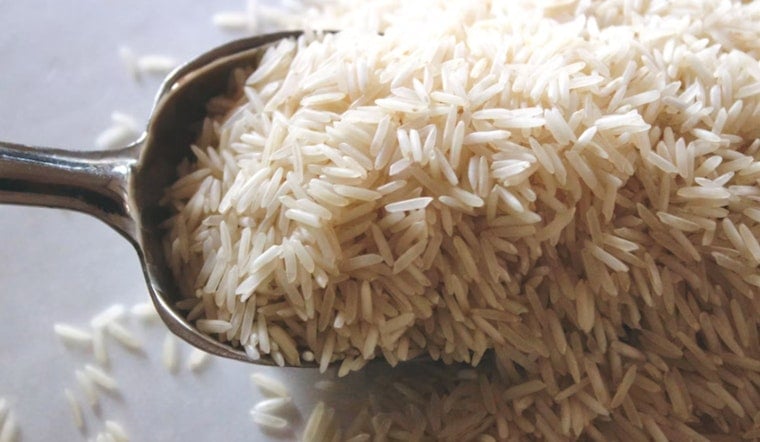
A fresh round of lab testing has turned a pantry staple into a new food-safety headache. A national consumer analysis found measurable inorganic arsenic in everyday rice products on U.S. shelves, raising concerns for long-term health, especially in households with young children. The takeaway for shoppers is not panic, but some smarter choices about which rice to buy, how often to eat it, and how to cook it to dial down exposure.
What the testing found
Consumer Reports bought 52 rice products from grocery stores and sent them to a specialized lab, which detected measurable levels of inorganic arsenic in every single sample. More than 40% of the products had concentrations that Consumer Reports says could increase the lifetime risk of cancer and type 2 diabetes if a person ate a single serving every day. Brown rice generally tested higher than white rice, while basmati and sushi rice tended to show lower levels, according to Consumer Reports.
Local coverage and company responses
WSOC-TV's 9 Investigates took the national findings and translated them for local families, breaking down what the lab numbers could mean in an ordinary kitchen. Several brands mentioned in the testing, including Lundberg and Whole Foods' 365 line, told reporters they routinely test for heavy metals and say their products comply with California's strict limits. Other companies chose not to respond or did not provide detailed answers, according to WSOC-TV.
On the farm: water management can help
Behind the scenes, some of the most promising fixes start long before rice hits the bag. A recent field-scale study by the U.S. Department of Agriculture's Agricultural Research Service found that changing irrigation practices, such as cutting back on continuous flooding and using multiple aerations during the growing season, can significantly lower arsenic levels in the grain. Even with those efforts, the ARS analysis noted that roughly 30% of field samples exceeded the Food and Drug Administration's 0.1 mg/kg (100 ppb) threshold for infant rice cereal. The findings highlight that meaningful mitigation is possible at the farm level, according to the USDA Agricultural Research Service.
Regulatory backdrop
The Food and Drug Administration has been tracking arsenic in rice for years and in 2016 proposed an action level of 100 parts per billion for inorganic arsenic in infant rice cereal. Agency guidance also notes that cooking rice in excess water and then draining it can reduce inorganic arsenic by roughly 40 to 60 percent. For now, that explicit action level applies only to infant cereal. Consumer advocates are pushing FDA to extend clear, enforceable limits to a broader range of rice products, as outlined by the Food and Drug Administration.
How to lower your exposure
Food-safety experts say everyday habits can make a real dent in arsenic intake. Recommendations include choosing lower-arsenic types such as basmati or sushi rice, rotating rice with other grains like quinoa or oats, and cooking rice in plenty of water, draining it, then finishing it in fresh water. That pasta-style method can wash away a substantial portion of inorganic arsenic, according to Consumer Reports. For infants, experts suggest considering iron-fortified oat or multigrain cereals in place of rice cereal and keeping serving sizes and grain choices varied. Shoppers can also look for brands that publish third-party test results or that source rice from regions known to have lower arsenic levels.
Consumer Reports is urging the FDA to set arsenic limits for all rice products, not just infant cereal, a move that could eventually force manufacturers to revisit where they source rice and how rigorously they test it. Whether regulators will act is still an open question, according to News4JAX. In the meantime, farmers are experimenting with field-level fixes and shoppers can cut their own risk by swapping in more diverse grains and tweaking how often, and how, they cook rice.



