

























































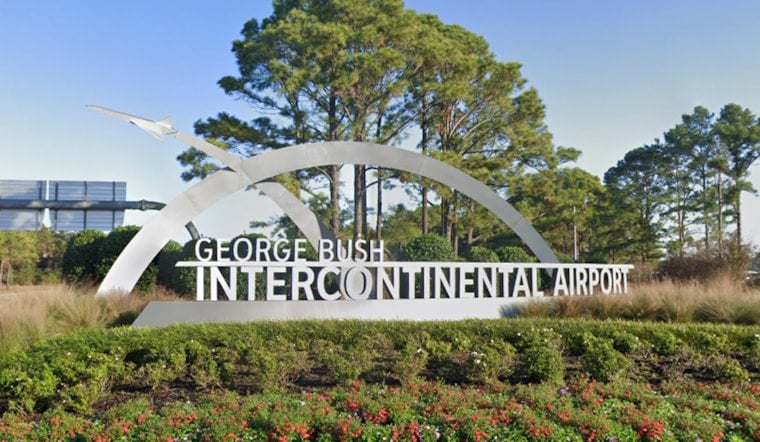
Afternoon thunderstorms threw a wrench into travel plans at George Bush Intercontinental Airport (IAH) on Tuesday, as the Federal Aviation Administration ordered a ground stop that halted departures and scrambled airline schedules across Houston.
The pause on flights was set to last through 5 p.m. Central, with officials warning that the hold could stretch longer if storms refused to move on. Travelers scheduled to fly out of IAH were urged to stay glued to their airline apps, expect delays or cancellations, and build in extra time to navigate the fallout.
FAA Pauses Departures Through 5 p.m.
Click2Houston reported that the FAA placed Bush Intercontinental under a ground stop on Tuesday afternoon and listed an expected end time of 5 p.m. Central. According to the outlet, FAA officials put the odds of an extension at a "medium" probability, which is bureaucratic speak for "do not be surprised if this takes a while."
What A Ground Stop Does
A ground stop is essentially air travel’s version of a timeout. Flights headed to a particular airport are held at their departure points until air traffic managers decide it is safe to accept more arrivals. That can slow everything from boarding to baggage, even for people who never see a raindrop.
The FAA’s own air-traffic handbook spells out how it works and why weather like thunderstorms, lightning and gust fronts can force controllers to pump the brakes on traffic. For those who enjoy the fine print, the procedure is detailed in FAA Order JO 7110.65.
Storms Have Snarled Houston Flights This Month
Click2Houston noted that radar showed storms near and just south of the airport around midafternoon, which pushed controllers to err on the side of caution.
It is only the latest in a series of weather-related slowdowns at Houston’s two major airports, a pattern of thunderstorm turmoil that has been playing out all month.
FOX 26 Houston reminded passengers to recheck their flight status directly with their airlines, anticipate rolling delays and allow extra time for check‑in and connections while schedules reset. For official real-time information from federal air-traffic managers, travelers can also consult the FAA airport-status feed.





