

























































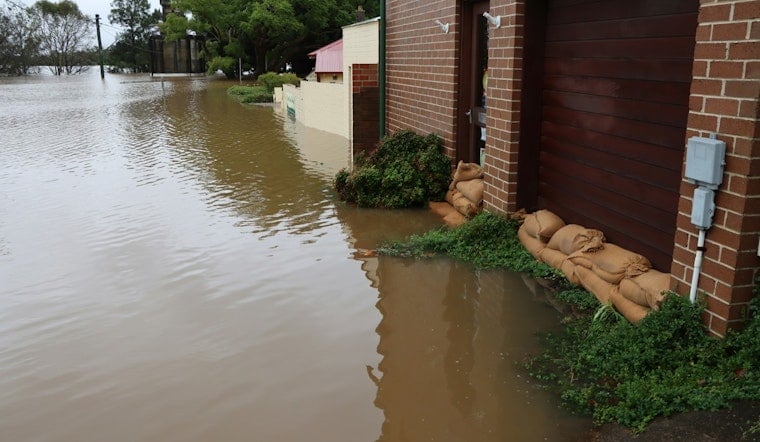
In the wake of this week's severe storms and flooding across Middle Tennessee, cleanup crews are not the only ones fanning out through neighborhoods. Consumer watchdogs say a familiar second wave is rolling in: out-of-town contractors, often dubbed "storm chasers," knocking on doors and promising fast fixes for battered homes.
Residents and local agencies report crews showing up uninvited, pressing for on-the-spot decisions, asking for cash before work begins, and shoving paperwork at people who are still displaced or scrambling to deal with serious damage. Those under intense stress are at higher risk of falling for aggressive sales tactics that can turn a bad week into a financial disaster.
According to NewsChannel 5, the Better Business Bureau is warning that some of these fly-by-night operators roll in with unmarked trucks and out-of-state plates, demand large payments upfront and pressure homeowners to sign immediately. "Anytime you're making a big decision, time is always your greatest asset," BBB President and CEO Robyn Householder told NewsChannel 5, which is urging viewers to slow down and verify who they are hiring before they put pen to paper.
How the scams usually work
The Better Business Bureau highlights a familiar pattern of red flags: unsolicited door-to-door pitches, "limited time" offers, requests for hefty deposits and contractors who push homeowners to sign over insurance checks or assignment-of-benefits forms. The BBB also cautions that some storm chasers will pretend to be local companies or borrow a local business name to gain trust, then vanish once they have the money, leaving work unfinished or never started. For a full checklist of warning signs and consumer tips, see the Better Business Bureau.
Before you hire: practical steps
State consumer officials say your insurance company should typically be your first call so you know what is covered, what your deductible looks like and what documentation an adjuster will need. Per the Tennessee Attorney General's Office, homeowners should confirm a contractor's license status, look up any complaint history, and remember that state rules limit excessive down payments and advise against signing over insurance checks. Experts also recommend getting written estimates, insisting on a detailed contract and, when possible, paying with a credit card to gain extra fraud protections.
If you suspect fraud or poor workmanship
If you think you have been targeted by a scammer or stuck with subpar work, the BBB encourages you to report it through its Scam Tracker, and state officials suggest filing a complaint with the Tennessee Department of Commerce & Insurance. The National Insurance Crime Bureau, which has tracked a significant rise in contractor fraud across the country, also offers resources and a tip line for suspected insurance-related scams. See the Better Business Bureau, the state's consumer complaint page at the Tennessee Department of Commerce & Insurance, and the National Insurance Crime Bureau for reporting steps and checklists.
In the stressful aftermath of a disaster, the urge to fix everything fast is understandable, but a rushed signature can cost you more than time. Slowing down, confirming licenses and references, looping in your insurer, and keeping careful records can help make sure the crews at your curb are actually there to repair your home, not your bank account.



