

























































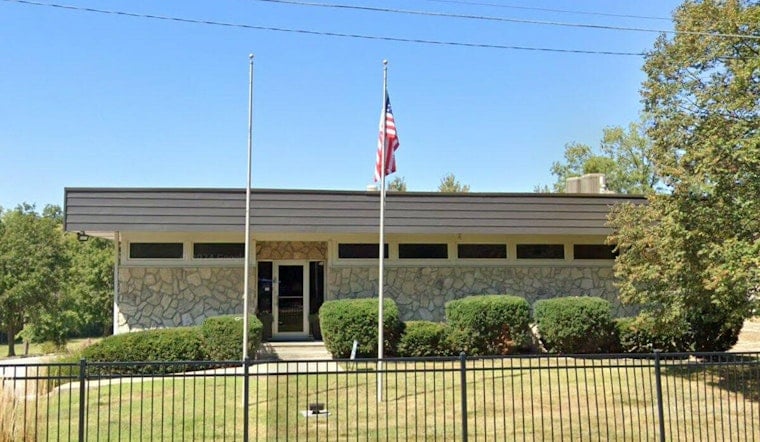
Three former students have filed separate lawsuits accusing Kansas City Girls Academy, a faith-based residential program in Kansas City, of invasive strip searches, round-the-clock surveillance and delayed medical care. The suits, brought this month in Jackson County Circuit Court, say staff forced girls to undress down to their bras and underwear for evaluations, monitored bedrooms with cameras and held off on getting treatment when students became seriously ill. The complaints build on earlier litigation tied to the broader Teen Challenge network.
According to The Kansas City Star, the three new cases were filed this month in Jackson County Circuit Court and name former residents Hana Haley and Brooke Clapper, along with an unnamed plaintiff. The Star reports that the suits list Teen Challenge doing business as Kansas City Girls Academy as a defendant, along with individual staffers Alan Biggers, Carol Kemp and Stephanie Kriner, and that attorneys D. Matthew Dreesen and Joe L. Goff filed two of the complaints. The outlet also notes allegations that a resident sexually assaulted another girl and was disciplined but not expelled, and that the academy did not respond to requests for comment.
School, Location And Affiliation
Kansas City Girls Academy appears on Teen Challenge's schools directory as a private, faith-based residential boarding school for girls ages 12 to 17, with a listed campus address of 5506 Cambridge Ave. The program appears affiliated with the national Adult & Teen Challenge network and markets itself on its website as a place for teens dealing with trauma, histories of self-harm and behavioral struggles. According to SAMHSA's library, federal guidance has promoted creation of 'qualified residential treatment programs (QRTPs)' and stronger cross-system collaboration as steps to improve oversight and quality in residential treatment for youth.
How This Fits Into Larger Litigation
According to the U.S. Government Accountability Office (GAO-03-865T), federal reviews have previously identified oversight challenges in child welfare and juvenile justice residential settings that can leave gaps in monitoring and accountability.
The Jackson County filings follow earlier federal litigation alleging coercive treatment and unpaid labor at the same Kansas City program. Coverage by Legal Newsline describes plaintiffs in that case invoking federal anti-trafficking statutes and claiming students were required to perform unpaid work for the program's benefit. Court records summarized at Casemine show that in June a federal judge allowed those plaintiffs to proceed under pseudonyms and entered protective measures, underscoring how sensitive the claims are.
What The Suits Allege
The new Jackson County complaints describe a tightly controlled environment where discipline could mean lengthy written assignments called "personal development reports" or PDRs, which plaintiffs say had to run 1,500 words. The suits also say staff monitored girls' rooms and private moments using cameras.
According to The Kansas City Star, the lawsuits further allege that students were ordered to remove clothing for evaluations, effectively turning into strip searches, and that staff watched girls undress or sleep. Some residents were allegedly told to sleep fully clothed to avoid being exposed on camera.
Medical Claims And Survivor Accounts
Plaintiffs also claim that medical care was not provided promptly. In one suit, a student was allegedly taken to a hospital only after hours of vomiting and an inability to move.
Survivor testimony compiled by advocacy groups and public petitions echoes themes of medical neglect, harsh discipline and poor food quality. Additional firsthand accounts have been collected by Unsilenced, while a broader call to rein in such programs appears in a community petition on Change.org.
Legal Implications And Next Steps
The Jackson County lawsuits seek damages and argue that Teen Challenge and related defendants are vicariously liable for staff conduct, a claim that is likely to pull internal policies and personnel records into discovery. Court filings from the earlier federal case indicate that plaintiffs can pair state tort claims with federal statutes such as the Trafficking Victims Protection Reauthorization Act, and judges may again weigh confidentiality and protective orders as these new cases move ahead.
With the latest complaints now on the Jackson County docket, the former students and their attorneys will work to push the cases forward while Kansas City Girls Academy and its representatives decide whether and how to formally answer the allegations in court.





