

























































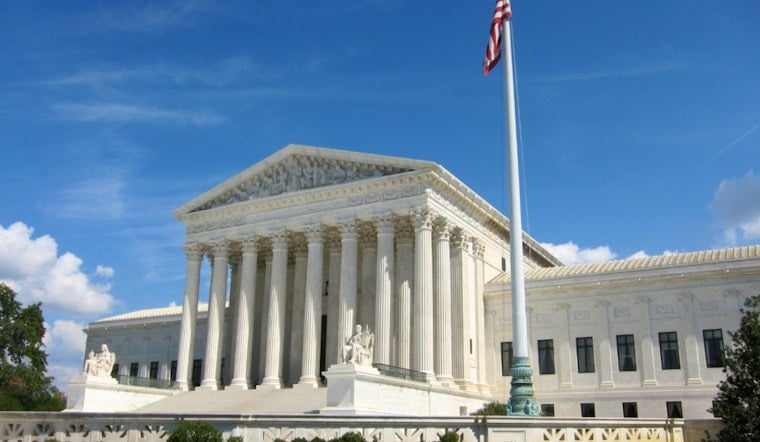
The Supreme Court on Thursday left former Fox News reporter Catherine Herridge staring down the prospect of an $800-a-day fine after refusing to identify a confidential source behind her 2017 reporting on scientist Yanping Chen. The justices declined to block a lower court order holding Herridge in civil contempt for staying silent in a deposition about how she obtained material used in those stories, leaving the potential sanctions in place while the legal battle grinds on. Media advocates say the clash puts core protections for confidential sources squarely on the line.
High court denies emergency stay
The Court formally turned down Herridge's emergency bid for a stay and wiped away an earlier in-chambers order from Chief Justice John Roberts that had temporarily put the contempt penalties on hold while the application was under review. The public docket notes that Justice Brett Kavanaugh would have granted the relief Herridge requested. After briefing, the application was referred to the full Court and then denied. According to the Supreme Court, the July 2 order both denies the stay and vacates Roberts's earlier in-chambers action.
Judge Cooper’s contempt order
In February 2024, U.S. District Judge Christopher R. Cooper held Herridge in civil contempt and set a daily $800 fine designed to pressure her to comply with a deposition order, though he put collection of the penalties on hold to allow time for appeals. In a detailed memorandum, Cooper concluded that plaintiff Yanping Chen's need for information about the confidential source to pursue her Privacy Act lawsuit outweighed Herridge's qualified reporter's privilege. The opinion and contempt order, which are publicly available, walk through the judge's weighing of the public interest in investigative reporting against Chen's right to obtain evidence in civil litigation; see the district court memorandum for the full analysis.
The reporting at the center of the fight
Herridge's 2017 Fox News stories scrutinized whether Chen had undisclosed links to China's military and whether a Virginia school Chen started had been used in ways that drew federal attention. According to court filings and subsequent news coverage, the pieces relied on material that Chen says was leaked from a federal investigation, including an interview summary, personal family photographs and excerpts from immigration documents. Fox News Media blasted the Supreme Court's decision not to intervene, saying it was "deeply disappointed" and would review its options, as reported by AP.
Press groups and amicus support
Press freedom advocates have been urging courts to protect journalists' ability to shield confidential sources, and the docket reflects that the Reporters Committee for Freedom of the Press filed an amicus brief backing that position. Commentators say the case is drawing close scrutiny because it pits a private plaintiff's statutory privacy claim against a reporter's reliance on a qualified privilege that many journalists use to safeguard whistleblowers. Coverage of the dispute has noted concerns that forcing Herridge to identify her source could discourage insiders from exposing potential government misconduct in the future; see The Washington Post for reactions and a broader look at the debate.
Legal implications
Legal analysts say the case will test how far the qualified reporter's privilege reaches when a private party, rather than prosecutors or other government actors, seeks source information through civil discovery. Different legal standards for when journalists can be compelled to reveal sources could produce sharply different results, and the briefing in the appellate courts and at the Supreme Court has zeroed in on those competing tests. One analysis notes that, under arguments presented to the Court, Chen's team maintained that the source's identity would be discoverable even under the legal framework Herridge preferred. For recent examination of that position, see reporting by Law360.
What’s next
The Supreme Court docket shows that Chen filed a response on July 1, followed by a reply from Herridge on July 2, shortly before the justices denied the emergency request for a stay. With the Court refusing to pause the contempt order, the district court's $800-a-day sanction could kick back in if the lower court's mandate issues and Herridge continues to withhold the identity of her source or sources, though additional appeals remain available. Observers expect the dispute to move forward through the appellate process and say the outcome could influence how federal courts handle reporters' source protections in future civil cases.



