

























































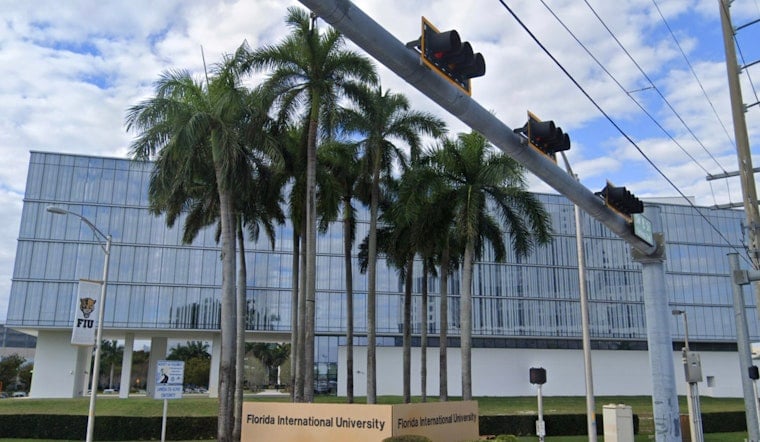
Florida International University scientists have given CAR-T cells a new “sugar shield,” reworking the immune cells’ surface glycans so they can slip past tumor defenses and kill cancer more effectively in mice. Early data show the sugar-upgraded cells persist longer inside tumors and shrink B-cell lymphomas, hinting at a route to more powerful immunotherapy that could spare patients some of the harsh side effects tied to traditional chemotherapy.
How the sugar shield works
The team focused on galectin-3, an immune-suppressing protein that binds glycans and weakens T-cell activity in lymphoma microenvironments. By enforcing the enzyme ST6GAL1 to add alpha-2,6 sialic acids on anti-CD19 CAR-T surfaces, researchers blocked galectin-3 binding, reduced cell death and restored anti-tumor function in preclinical tests, according to Frontiers in Immunology.
FIU’s news office reports the glycoengineering approach “roughly doubled” the number of CAR-T cells that remained active in laboratory experiments and produced stronger control of lymphoma growth in mice. The university credited detailed glycomic analyses and cross-lab collaboration for those results, as described by FIU News.
What it could mean for patients
Baptist Health clinical investigator Dr. Guenther Koehne told the Miami Herald that CAR-T regimens typically use only low-dose chemotherapy to make space for the engineered cells, which can spare patients hair loss, nausea and other common chemo side effects. Still, investigators stress the work is preclinical and say they are monitoring effectiveness and safety closely before any human trials begin, per reporting by the Herald.
From FIU bench to Miami clinics
The Frontiers article lists co-authors from FIU and the Miami Cancer Institute at Baptist Health and notes that patient samples and institutional support came from local biospecimen repositories and pilot grants. That local lab-to-clinic pipeline, running from FIU’s Modesto Maidique campus to Baptist Health partners in Miami, will be important if the approach moves into early-phase studies, according to Frontiers in Immunology.
Glycoengineering is part of a broader shift in cell therapy toward building resilience, not only brute force, into immune cells. Experts caution that promising lab work often takes years to translate into treatments for people. As The Conversation has noted, the goal is to help immune cells survive cancer’s hostile microenvironment, but clinical proof will be the crucial next step.



