

























































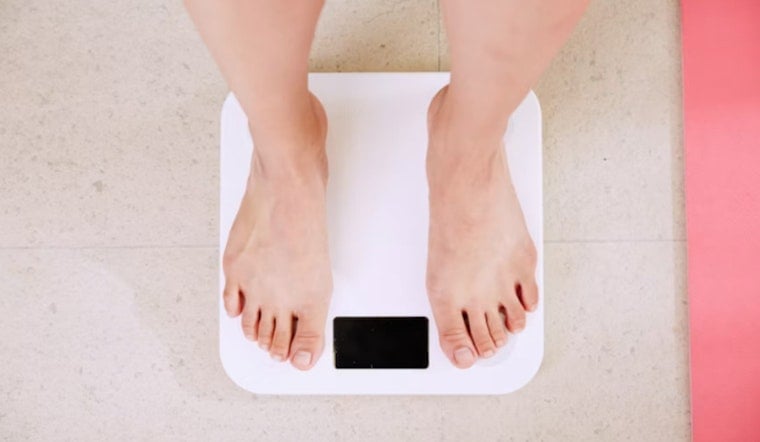
Tampa podiatrists say they are seeing more patients who report their feet have changed after starting GLP‑1 medications such as Ozempic, Wegovy and similar drugs. Patients describe heel pain, a burning or aching sensation, shoes that suddenly do not fit the way they used to, and feet that look bonier or looser than before. The cluster of symptoms has picked up a nickname in exam rooms and online: "Ozempic feet."
Locally and elsewhere, clinicians say the pattern is showing up more often, with Tampa providers noting a higher-than-usual number of people seeking help for new foot pain and changes in fit, according to WFLA. The uptick in complaints is landing at the same time prescriptions and use of GLP‑1 drugs for weight management have surged across the country, according to Forbes.
Podiatrists Say The Pattern Is Hard To Miss
Foot specialists describe a familiar checklist when these patients walk in. They often see more prominent tendons or veins across the top of the foot, thinner cushioning under the heel or ball, and a kind of pressure pain that some people liken to "walking on pebbles." Those clinical anecdotes and patient descriptions have shown up in national reporting on the trend, according to The Daily Beast. Podiatrists writing for consumer outlets say it is worth re‑measuring your feet and watching closely for blisters, calluses or sores that do not heal, according to guidance from a practicing podiatrist on Yahoo Creators.
What Could Be Behind The Change
Clinicians point to rapid, medication‑driven weight loss as the likely driver. When people lose weight quickly, the fat pads that normally cushion the heel and forefoot can shrink faster than the skin and connective tissue adapt, which can leave feet feeling bonier and more sensitive. That kind of targeted foot‑fat loss is not listed among the common adverse reactions on semaglutide's official label, according to the FDA prescribing information. Medical reviews of nutrition care for patients using GLP‑1 therapy also note that these medications can trigger fast, significant weight loss that sometimes outpaces the body's ability to remodel soft tissue and skin, according to a recent review on PMC.
How To Protect Your Feet
Clinics that counsel patients on GLP‑1s are recommending some straightforward steps: get your feet re‑measured regularly, opt for roomier shoes with extra cushioning, and consider heel cups or custom orthotics to spread pressure more evenly. Some podiatrists and local clinics also suggest prioritizing protein intake along with targeted foot‑strengthening and resistance exercises to help preserve muscle and shock‑absorbing tissue, according to practical advice from a treating podiatrist on Yahoo Creators. Specialists say that if you develop an open sore, numbness, drainage or other signs of infection, you should seek prompt evaluation from a podiatrist.
Who Should Be Most Careful
Experts say people with diabetes need to be especially cautious. Losing foot cushioning on top of existing neuropathy or poor circulation can raise the risk of blisters, ulcers and wounds that heal slowly, according to a review in Diabetes Care. They emphasize daily foot checks and early treatment for any ongoing pain or skin breakdown.
Clinicians advise that if you are on a GLP‑1 and notice new foot pain, burning, changes in shoe size or any skin breakdown, you should talk with the provider who prescribed the medication and with a podiatrist about footwear, padding and exercise options. Many specialists note that the metabolic and cardiovascular upsides of weight loss are substantial, yet say careful foot care needs to be part of the overall plan.





