

























































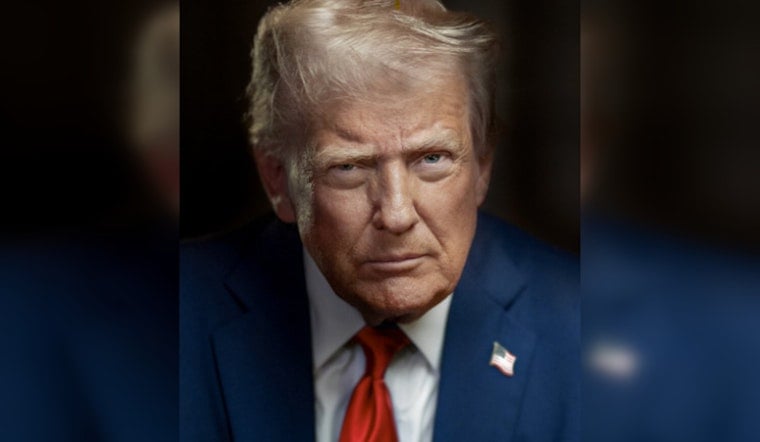
In a rare glimmer of diplomatic relief amid rising tensions, President Donald Trump announced Wednesday that Iran has allowed an American citizen who had been blocked from leaving the country since December 2024 to depart, calling the move a “gesture of goodwill” even as U.S. strikes and a naval blockade ramp up in the region.
The woman was later identified by her lawyer as Dena Karari, a dual U.S.-Iranian citizen who runs a charity that supports children in Iran and has faced espionage charges.
Trump posted on Truth Social that “She is now safely outside of Iran, and in good condition” and added “The United States of America appreciates this gesture of Goodwill by Iran!”, according to AP. His message offered no hint about what, if anything, had been traded to secure her freedom.
Who Is Dena Karari?
Karari’s attorney, human-rights lawyer Jared Genser, filled in some of the blanks in a statement identifying her. He said Karari had traveled to Iran to visit family in December 2024, only to have her passports seized and to be placed under a coercive exit ban. According to Genser, she endured repeated interrogations but was not publicly jailed.
Genser blasted the espionage accusations as “bogus” and said she was “now safe and traveling back to the United States,” ABC News reported.
Why the Release Matters
The timing of Karari’s release is doing a lot of diplomatic work all by itself. The announcement comes just as the U.S. has resumed strikes on Iranian targets and reimposed a naval blockade aimed at reopening the Strait of Hormuz, a vital chokepoint for global energy shipments. Tehran has warned it may curb energy exports if the pressure continues, turning every small gesture into a high-stakes signal, according to AP.
Analysts say the move could hint at limited back-channel contacts even as open hostilities grind on. In other words, one person’s airport departure might also be a quiet test of whether both sides still have any appetite for talking.
Legal and Diplomatic Angle
Iran has not publicly confirmed Karari’s release, and U.S. officials have offered only sparse details on how it was secured. Genser has urged Tehran to free other “wrongly imprisoned Americans” and to lift coercive exit bans on local partners of Karari’s charity, according to reporting by The Guardian. The case highlights yet again how dual nationals often find themselves used as bargaining chips in wider geopolitical negotiations.
Local station Fox 9 aired a video report by Caroline Shively noting that Iran coupled the apparent goodwill move with a fresh warning to destroy “all the infrastructure in the region” if the U.S. hits power plants and bridges. It is a stark reminder that even narrow consular wins can be wrapped in very broad threats, and that the fate of detained Americans is now deeply entangled with U.S. strategy around the Strait of Hormuz.





_(cropped)(2).jpg)