

























































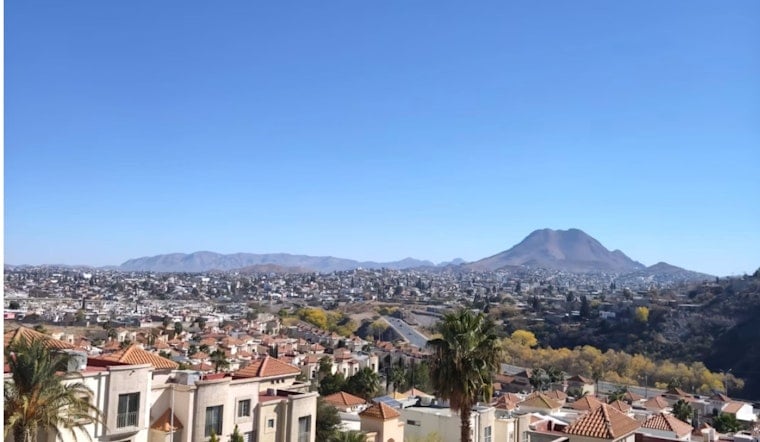
The U.S. government on Wednesday slapped the Juárez Cartel and Michoacán-based Los Viagras with a Foreign Terrorist Organization label, instantly freezing any U.S.-linked assets and cutting off Americans from doing business with them. It is the latest signal that Washington now treats some of Mexico’s biggest trafficking outfits as national security threats, and border officials say the move could quickly ripple through the El Paso–Juárez trade pipeline.
The action was formally logged on July 15 when the Treasury Department’s sanctions database was updated to add both groups to the Specially Designated Nationals list, according to OFAC. The listing folds the two organizations into U.S. counterterrorism sanctions and tells American banks and businesses to block any property tied to them and halt related transactions.
Local and Mexican outlets are already flagging the shift. KFOX reports that the Treasury action specifically names the Juárez Cartel and Los Viagras and that a State Department notice said the designation followed consultation with the U.S. attorney general and the Treasury secretary. Mexican coverage in El Financiero likewise lists both groups in the July 15 update.
What The Sanctions Do
Once OFAC tags an organization, it generally “blocks” all of that group’s property and interests in property that fall under U.S. jurisdiction, and it prohibits U.S. persons from doing business with them. In practice, that can mean frozen accounts, restrictions on correspondent banking, and a flurry of compliance work by financial institutions and service providers. For a high-level rundown of how blocked property and prohibited transactions operate, see the OFAC FAQs. The new terrorist designation also gives Treasury and the Justice Department a sharper tool for tracking and targeting financial flows connected to the two groups.
Why This Matters For El Paso
The Juárez Cartel is based in Ciudad Juárez, directly across from El Paso, and has long been linked to trafficking routes that lean on West Texas ports of entry, as noted by KFOX and Mexican reporting. That geography means local importers, freight companies, customs brokers, and banks that operate in the cross-border space may see tighter scrutiny and more paperwork as they and their partner institutions screen clients, counterparties, and shipments for any connection to newly flagged names.
Legal Consequences
On top of the financial squeeze, federal criminal law makes it illegal to “knowingly” provide material support or resources to an organization the U.S. has designated as a foreign terrorist group. The rule and its penalties are set out in 18 U.S.C. § 2339B, which criminalizes knowing material support to an FTO and can bring heavy fines and prison time; the statute text is available through the Legal Information Institute. That legal risk can reach individuals, companies, and service providers who knowingly move money, people, or goods on behalf of a listed group.
Federal agencies and financial regulators often follow these designations with compliance guidance and enforcement actions, and affected institutions typically roll out screening updates and watchlist tweaks within days. In the Paso del Norte region, local law enforcement and border agencies will be watching for additional instructions from Treasury, State, and Justice on how to fold the new listings into day-to-day inspections, seizures of assets, and criminal cases.


